« It’s easy, from our 21st-century perspective, to condemn Waldman as nothing but a sleazy bottom-feeder eking out a precarious living by pirating the marginal dregs of an industry he was only peripherally a part of. » — Don Markstein
As some of you may have surmised from the title, this is a sequel to John Severin, ‘Super Comics’ Cover Man. Since I laid out the facts of the case in that previous entry, I refer you to it as an entrée en matière, an amuse-gueule.
It’s been suggested to me several times that I should devote some column space to Rostislav “Ross Andru” Androuchkevitch (though my co-admin ds certainly has, by dint of the man’s long stint on Bob Kanigher’s regressive Wonder Woman), but the trouble is, unlike the many of my generation who, presumably more through circumstance than discernment, imprinted on Andru and Gerry Conway*‘s The Amazing Spider-Man (1973-76), I had already lost all interest in Spidey after Steve Ditko‘s rightly acrimonious 1966 departure; I just wasn’t buying what they were selling.
My own, somewhat less agreeable run-in with Andru was through his ill-advised residency as DC’s principal cover artist (under “art director” Vinnie Colletta) paired up with Dick Giordano**, who reportedly slapped inks, and likely some coffee, on a few covers each day before catching his train to work.
However, as I always say, with a career that lengthy and prolific, there’s bound to be exceptions. Which brings me to a comment a dear friend and old comrade in ink-slinging made — just this week! — regarding an Andru cover I featured during last month’s Hallowee’n Countdown:
« Mmmm… that Ross Andru cover. Such a delightful classic! Who knew he was so good back then compared to his later work, which was pretty damn awful. »
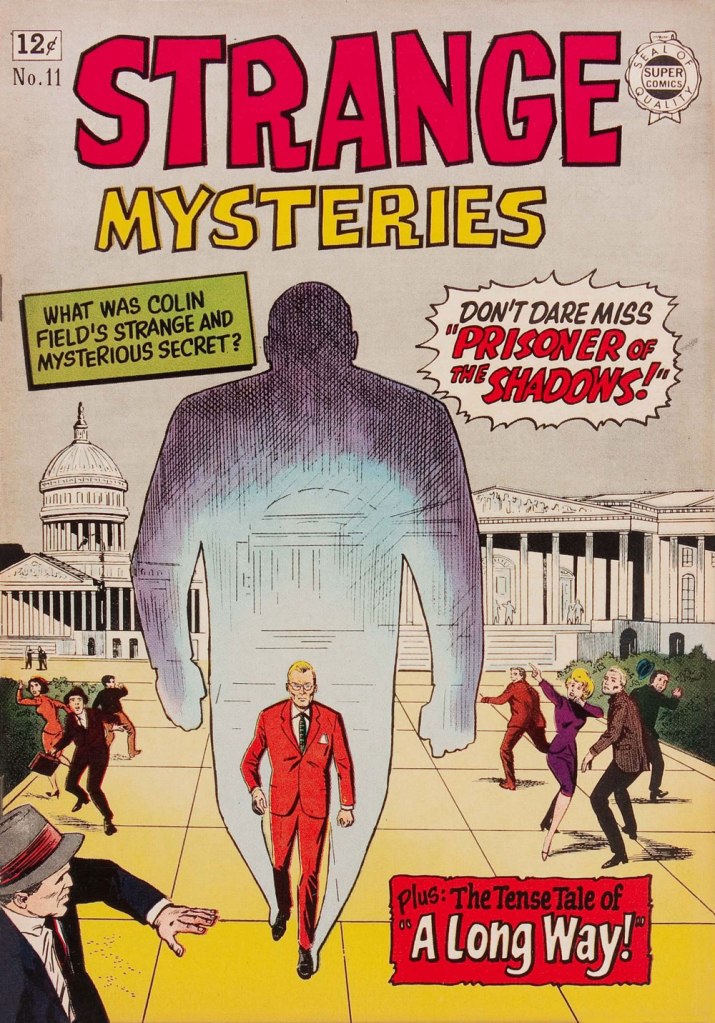
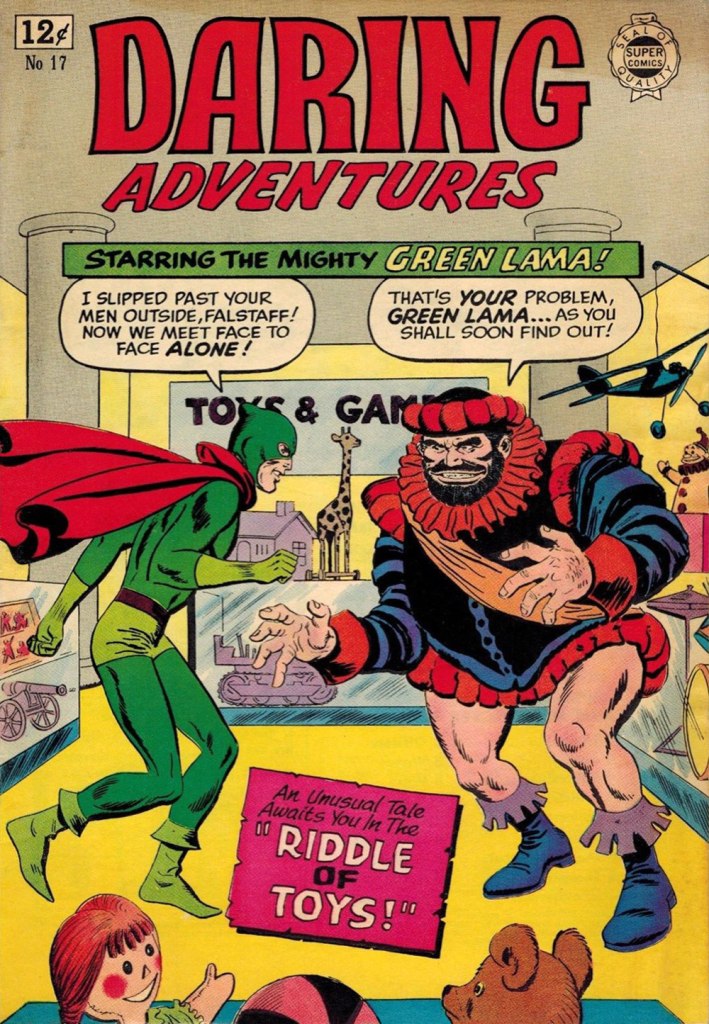
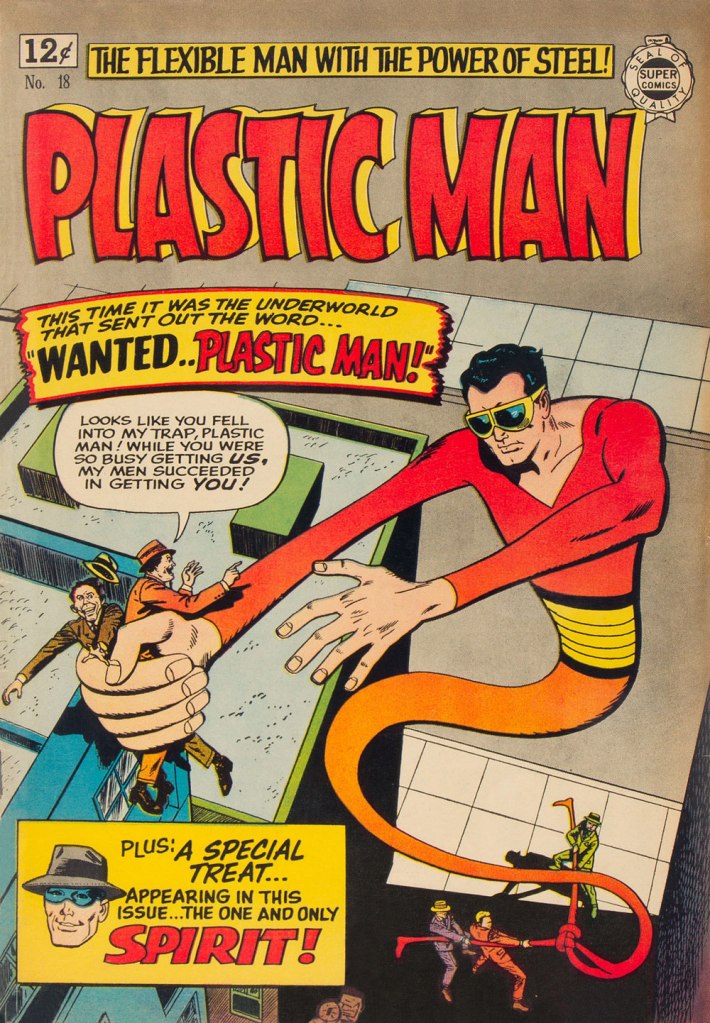
So, like John Severin, Andru (with inking partner, for better — though mostly for worse — Mike Esposito in tow) was approached by Israel Waldman to gussy up his shoddy, oft-illegal reprints.
Redoubtable comics historian Don Markstein (1947-2012) did a breathtaking job of compiling a dossier of the whole I.W./Super Comics operation, complete with the cross-referencing of most — if not all — the ‘borrowed’ properties and personages. Essential reading if you’re at all intrigued by crafty reprobates of Waldman’s ilk.


Mr. Markstein on The Black Dwarf: « The first question, of any character, is — why? Putting on a bizarre outfit to battle crime on an unpaid, freelance, anonymous basis seems pretty strenuous, requiring strong motivation. But his isn’t much. He just hates crime, no particular reason cited.
Next, what’s with the name? He was shorter than average, but not so short he qualified as a Little Person. Santa Claus would reject him on sight. And would identifying himself as a dwarf instill fear in criminals, confer fighting prowess on himself, or in any other way be an asset in his war on evildoers? It just sends a message that he’s small, so the evildoers can probably beat him up. At least he made up for his shortcomings by packing a gun. »


Of this particular breed of characters, Markstein wrote: « Superheroes first turned up in American comic books just before World War II, and flourished during the early war years. Especially flourishing were a sub-species of superhero that wrapped themselves in the U.S. flag like a cheap politician. Inexplicably, these are referred to as “patriotic” heroes, indicating that wearing the flag like Captain Freedom or Miss Victory was deemed a mark of patriotism higher and more… »



-RG
*Harlan Ellison on Conway, circa 1979: « I mean, the first time I met Gerry Conway, who the hell would’ve known that Gerry Conway would single-handedly ruin the entire comics industry. He’s a classic example of the deification of no-talent in all industries. He’s not good, but he has it in on Thursday. And that’s all they care about. You know, fill them pages. » [ source ]
**taking over from Mike Esposito and actually making him look good in comparison!
 Who's Out There?