« Since man cannot live without miracles, he will provide himself with miracles of his own making. He will believe in witchcraft and sorcery, even though he may otherwise be a heretic, an atheist, and a rebel. » — Fyodor Dostoyevsky
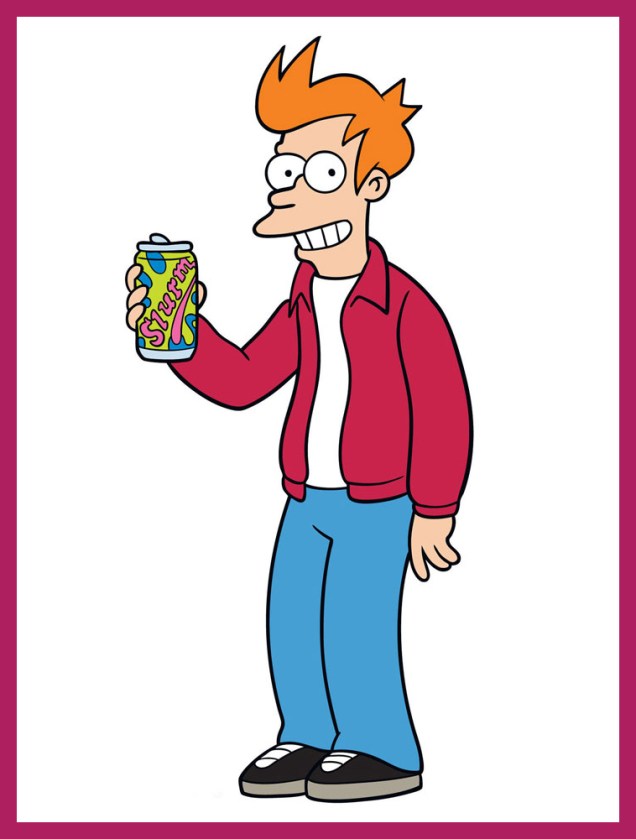
Here’s the earliest recorded appearance of Futurama’s Phillip J. Fry, and it would appear that he’s in for a heap of trouble… voodoo trouble! Fortunately, world-class sleuth Ellery Queen is on the case and on his side. That’s him discreetly crouching behind a gravestone.
This once-upon-a-midnight-dreary George Wilson beauty served as the cover of Dell’s Four Color no. 1243 (Nov. ’61 – Jan. ’62), the tale of The Witch’s Victim, featuring interior art by Mike Sekowsky, with inks by, from the look of it, George Roussos.
I wonder what Fry had done to get a coven so howling mad at him? I mean, just look at that innocent face…
Here’s how the painting fared in print.
A couple of sample pages from the story…. interesting to see the tension between the staid-by-design Dell style and a bit of an iconoclast like Sekowsky. It’s impressive that Mr. S. could find the time, between pencilling the rollicking monthly adventures of Snapper Carr, to moonlight for the competition… but here we are.
« Phooey on trick or treaters! This year I’M going to have all the fun — play the tricks and eat the candy myself! » — foolish words from Donald
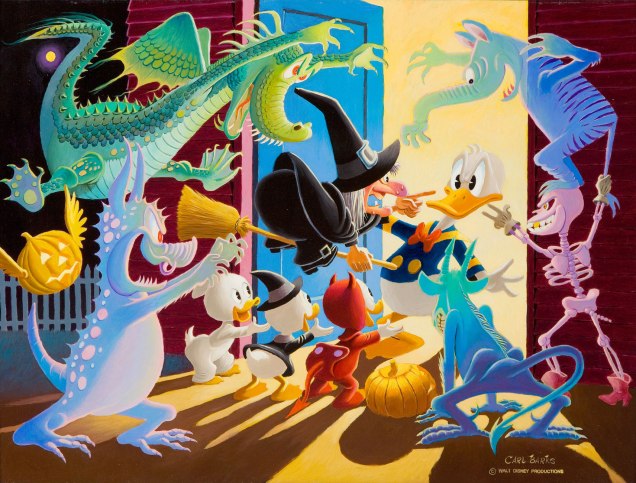
Whoa, lots of action for poor Unca Donald this Hallowe’en, some of it possibly malevolent. Best hand out the treats and be generous, to be on the safe side.
This lovely painting entitled Halloween in Duckburg was created in 1973 by the incomparable Carl Barks, aka The Good Duck Man. It’s based on his cover for Walt Disney’s Donald Duck no. 26 (Dell Comics, Nov. 1952), which in turn was based upon the Disney cartoon short Trick or Treat.
As a bonus, here’s a nice Donald mask (not that Donald… right colour, but too scary) for your trick or treating purposes, from the same issue’s back cover.
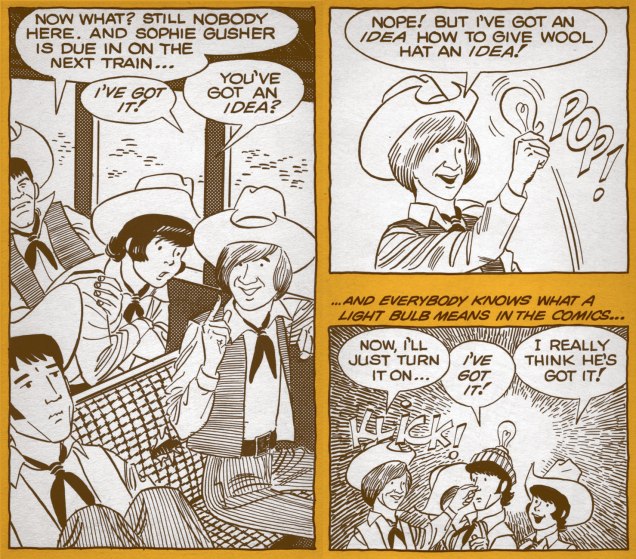
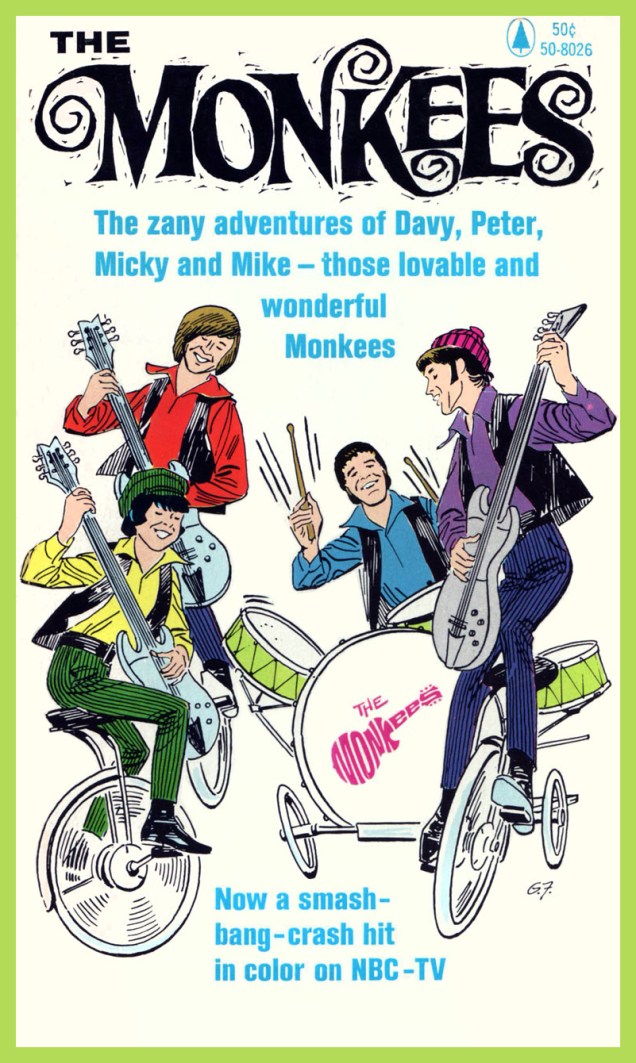
Pete was born in Washington, D.C. on February 13, 1942, which makes him the doyen of the group. Like Mike “Wool Hat” Nesmith, he was a musician first, likely the group’s most instrumentally proficient. Peter wound up auditioning for the tv show after his name was suggested by Stephen Stills, who wasn’t quite right for the part… but definitely a good sport.
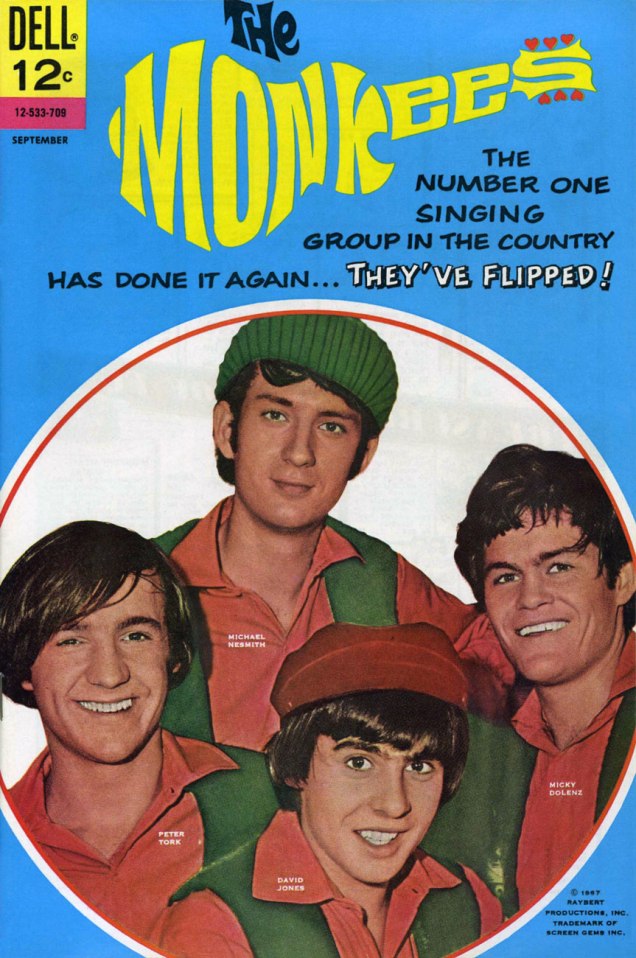
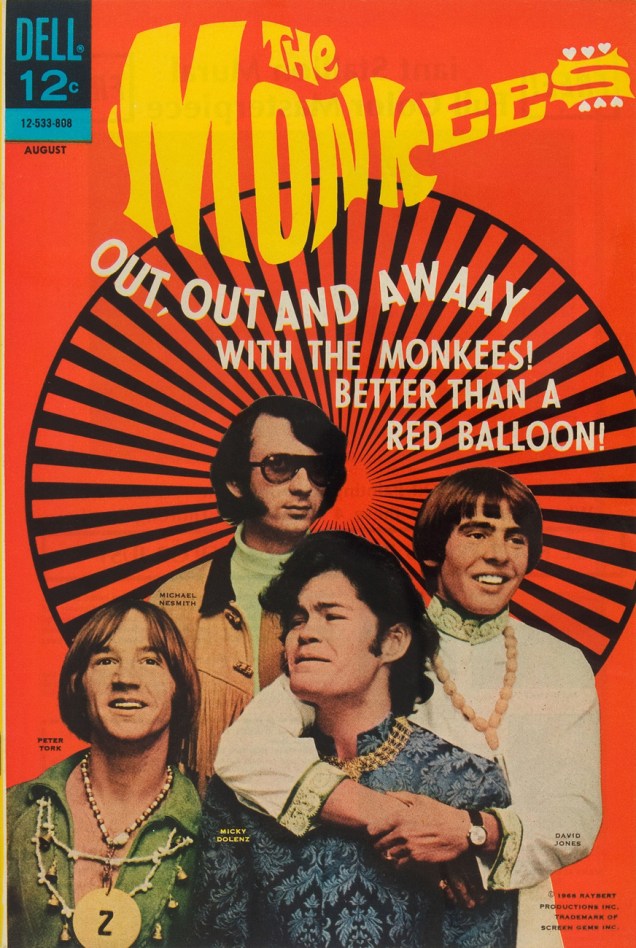
Peter and his fellow Monkees were featured in their own Dell comic book (is there any greater honour?), which lasted from March, 1967 to October, 1969, seventeen issues in all (with some reprinting.) That was one of Dell’s few savvy moves in their waning days, and one of their few readable titles outside John Stanley‘s output.
Peter the muse. From ‘Way-Out’ West, The Monkees (1966, Popular Library). See below!This cute lil’ volume contained a bunch of fun (what else) Monkees romps written by Howard Liss and ably illustrated by Eisner- Iger Studio veteran Gene Fawcette.José Delbo‘s splash page from Beezle, Beezle, Who’s Got the Beezle?, The Monkees no. 8 (Jan. 1968, Dell). Scripter unknown… but he’s pretty good.The issue in question: The Monkees no. 8 (Jan. 1968, Dell)The Monkees no. 4 (Sept. 1967, Dell)The Monkees no. 14 (Oct. 1968, Dell)Ah, but Dan Clowes has known it all along! From Eightball no. 13 (Apr. 1994, Fantagraphics)
Update: Peter Tork passed away on Thursday, February 21, 2019, barely a week beyond his 77th birthday. Au revoir, Peter!
« Christmas, Christmas, Christmas, Christmas makes me happy I love Christmas cold and grey, I love it sweet and sappy Says crazy kissin’ Cousin Flo: ‘Let’s break out the mistletoe’ »
The heart-warming cover of that Four Color no. 201, 1948. Art by Walt Kelly. Check out the adorable moon-jumpin’ cow in the top left corner!This is the back cover of Dell’s Four Color no. 302 (Santa Claus Funnies), 1950. Such warm colours. Art by Canadian Mel Crawford, who worked on various Dell publications in the 1950s (such as Howdy Doody, Mr. Magoo, and Four Color Comics) to later become an accomplished watercolours/acrylics painter.
« Christmas, Christmas, Christmas, Christmas out the waz Christmas, Christmas, Christmas, Christmas up the schnozz Come all ye faithful, don’t be slow It’s Christmas time, you can’t say no»
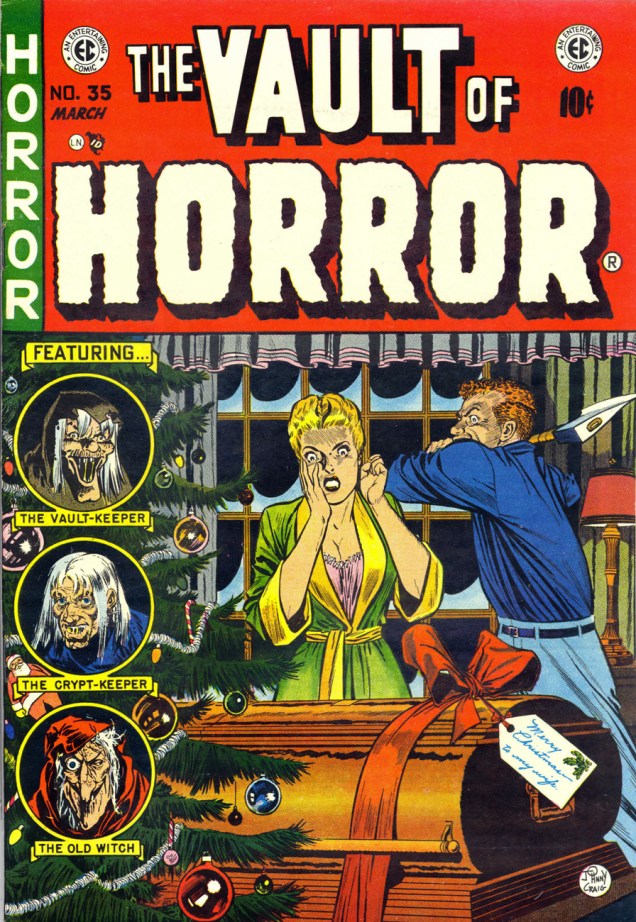
Creepy no. 68 (January 1975), cover by Ken Kelly. “House’ and “about” don’t rhyme, but it’s the season to forgive. I like how Santa appears to be bawling in frustration.Vault of Horror no. 35 (EC, 1954), cover by Johnny Craig. Maybe open the lid of the coffin first, dumbass?
« Momma wants a kitchen sink And daddy wants a stiffer drink Grandma wants us to cut the crap Grandpa wants a nice long nap »
Illustration by Richard Thompson. Who else wants some Festive Dietetic Crackers? I’d definitely sit with the mouse.
« Christmas, Christmas, Christmas, Christmas everywhere Christmas, Christmas, Christmas, Christmas pullin’ out my hair Shoppers lined up out the door Traffic backed up miles and more It’s Christmas time, so what the heck Let’s go spend the whole paycheck »
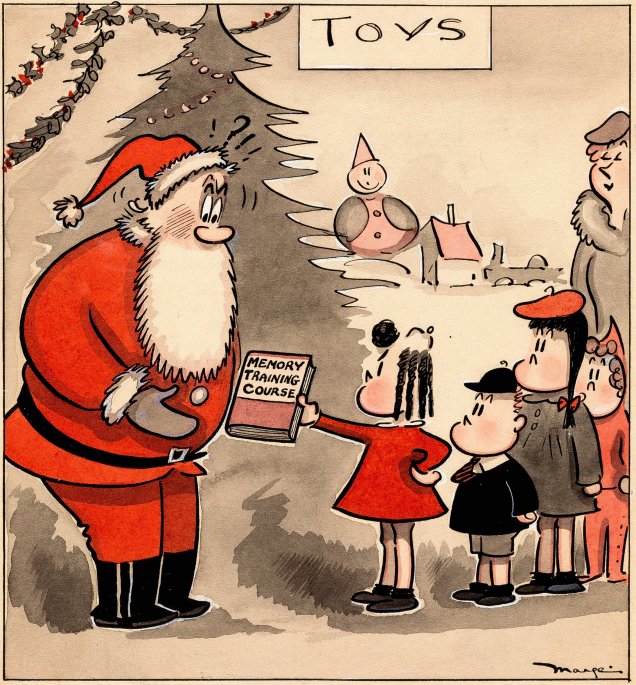
A Little Lulu cartoon by Marge Buell (Saturday Evening Post, 1944).From the pleasantly warped mind of Hilary Barta with a fond tip of the Santa hat to old Uncle Salvador, obviamente. Да да да!
« Deck the halls, it is the season We don’t need no rhyme or reason It’s Christmas time, go spread the cheer Pretty soon gonna be next year»
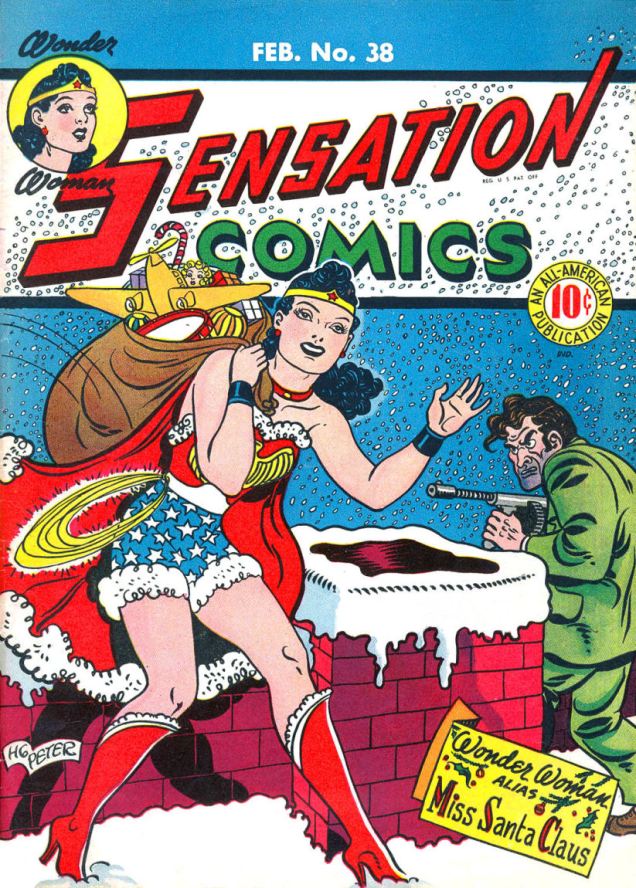
Sensation Comics no. 38 (1945), cover by H.G. Peter.Original art for a Christmas card of Little Orphan Annie by Harold Gray. Just some 70 years ago, right?
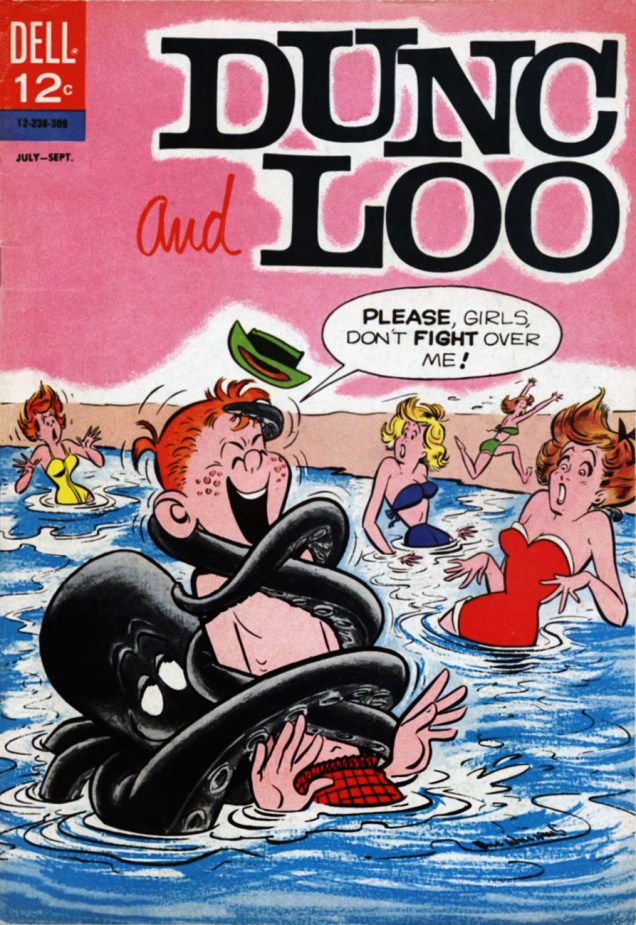
Dunc and Loo (which was called « Around the Block with Dunc & Loo » for the first three issues) was a comic written and story-boarded by John Stanley. (See our initial post about John Stanley, including more D&C covers.) The finished art for the series was provided by Bill Williams. This combination worked perfectly to provide readers with (only eight, alas) hilarious issues of teenage high-jinks and other silliness.
Dunc and Loo no. 7, July-September 1963, art by Bill Williams.
You can read the whole issue over at Comic Book Plus – no tentacles, I’m afraid, but some gorgeous art and zany stories. It’s well worth the detour!
Hey, octopuses like surfing, too. Or maybe this one just wanted the blonde for himself…
The Adventures of Bob Hope no. 94, 1964. Art by Bob Oksner… I think.
The Adventures of Bob Hope were published by National Periodical Publications from 1950 to 1968, for a total of 109 issues. The main stories centred around comedian Bob Hope (or his misadventures, rather); the cover stories often featured some other film-related characters. The original artist of the series was Owen Fitzgerald, with Cal Howard as the writer. Official credits aren’t really available, but these two seemed to provide much of the content for the first 60 issues. In #61, however, Mort Drucker (on main stories) and Bob Oksner (on back-ups) made their debut, and continued on their merry way until, oh, 1967 or so. In case you’re interested, Neal Adams did the last 4 covers for the series (eek).
Here’s another series that followed a pretty similar path (unsurprisingly – same publishing house, comparable years, same subject matter): The Adventures of Dean Martin & Jerry Lewis (July-August 1952 – October 1957) that became The Adventures of Jerry Lewis with #41 (November 1957). The art, handled mostly by Owen Fitzgerald in the beginning, gradually landed increasingly into the more-than-capable hands of Bob Oksner, who stayed around until the end with issue #124 (June 1971). Here, also, Neal Adams stuck his nose in, this time for three issues (covers of #102 through to #104).
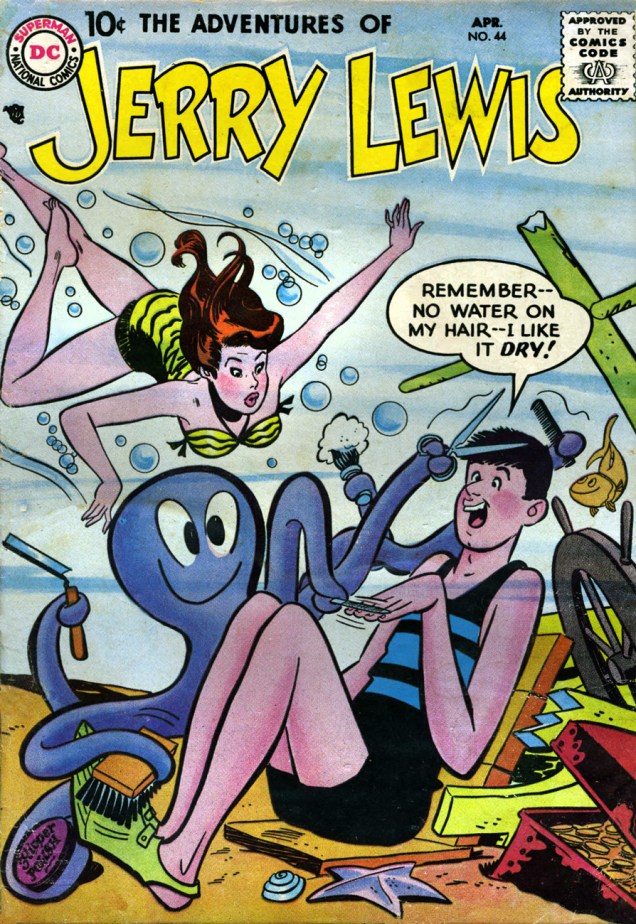
The Adventures of Jerry Lewis no. 44 (April 1958). Art is, presumably, by Bob Oksner, though GCD tentatively attributes it to Owen Fitzgerald.
Read this issue over at Ominous Octopus Omnibus (what could be more appropriate on Tentacle Tuesday?)
« No matter what scientists say, lumbermen of the West insist that the monster exists… Believe it or Not! » — the standard Ripley’s line, from The Beast of the Humboldt
In the early 1960s, former industry leader Dell Publishing suffered a crushing blow when Western Publishing, who had been producing Dell’s comics for them since 1938, decided to handle their own distribution, which left Dell with, well… just about zilch*. But that’s neither here nor there.
Dell had opted out of the Comics Code Authority, and Western’s subsequent comics, under the Gold Key banner, also enjoyed that advantage, not that they abused the privilege much, though the exceptions are among the finest comic books ever issued: Ghost Stories No.1 and the one-shot giant Tales From the Tomb, both from the phenomenal mind of John Stanley and published by Dell in the fall of 1962.
By the mid-1960s, Warren Magazines had pounced through the loophole of the magazine format, unregulated by the Code, to bring back monsters forbidden under the CCA’s rule. Gold Key required no such stratagem.
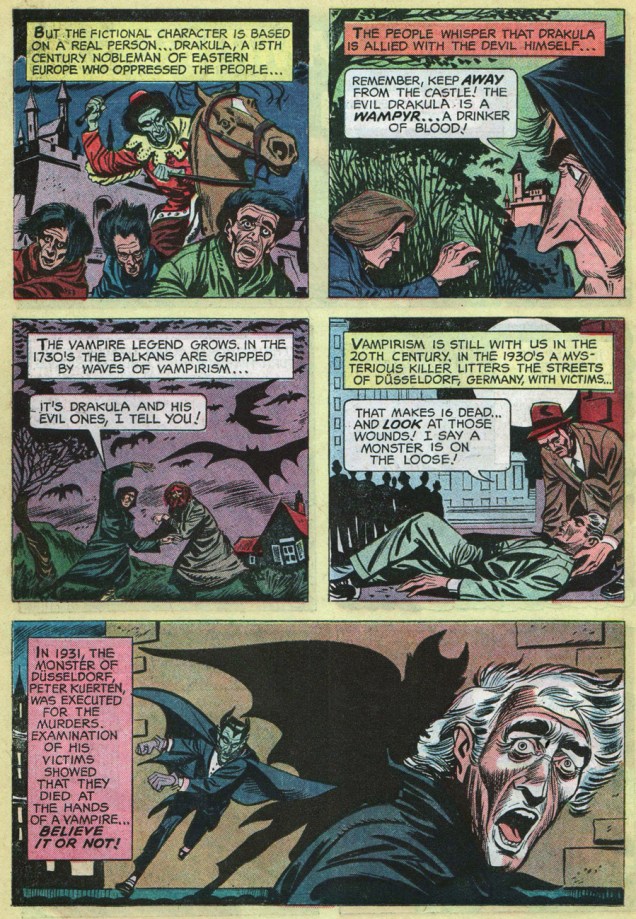
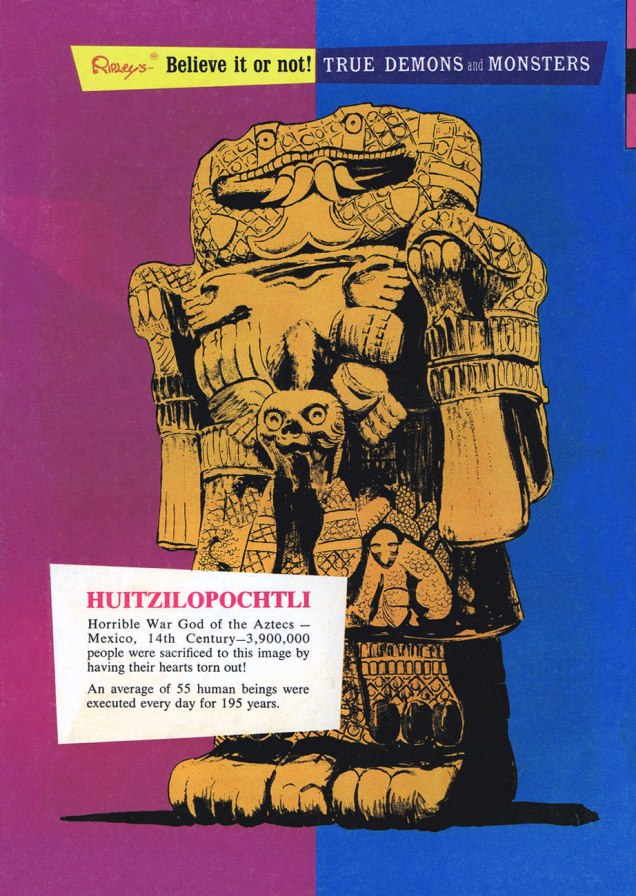
At first, GK’s long-running (1965-1980, 94 issues) Ripley’s Believe It or Not! * couldn’t decide on a focus: 14 of its initial 26 issues were devoted to « True Ghost Stories », two related « True War Stories », two shared « True Weird Stories », and six tackled « True Demons and Monsters ». With issue 27, the title stuck to ghosts, if not to the strict truth.
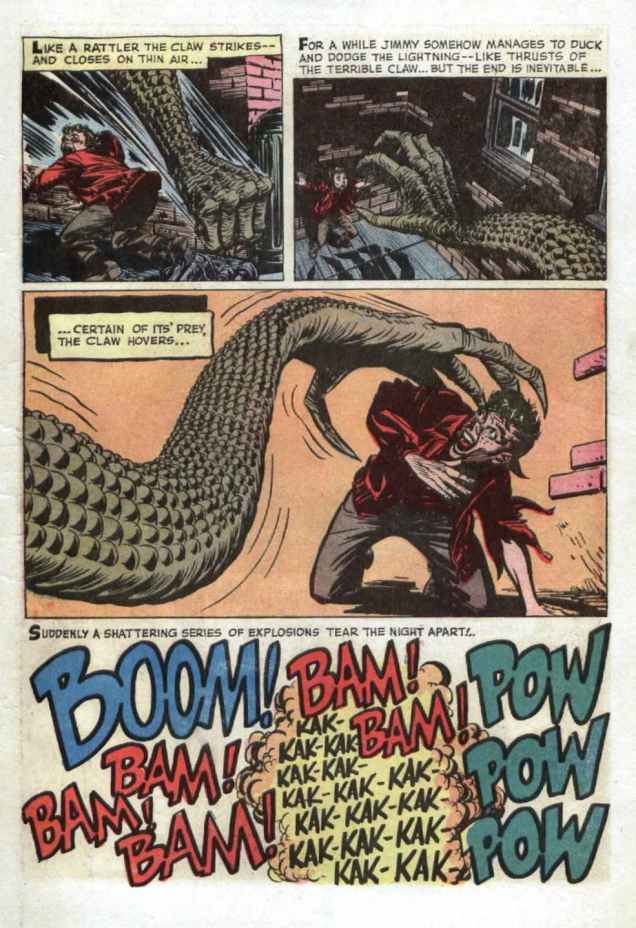
This is an excerpt from Ripley’s Believe It or Not! no. 4 (April, 1967), featuring the work of the much underrated Joe Certa (1919-1986), who began his comics career in the mid-1940s, working in just about every genre for a score of publishers, settling with Gold Key in the mid-60s and staying on until his retirement in 1980. He’s most remembered for his co-creation (with writer Joseph Samachson) of, and lengthy stint on J’onn J’onzz, the Martian Manhunter (1955-68), as well as for drawing every single issue of Gold Key’s loose adaptation of television’s first supernatural soap, Dark Shadows (35 issues, 1969-76). By this time, Certa’s style had evolved from a fairly mainstream style to a wonderfully blocky, angular and shadowy style that left him ill-suited to the depiction of standard superheroics… but prepared him well for moodier fare.
Issue 4’s front cover. Most of them featured often-splendid paintings by George Wilson, Jack Sparling or Luis Angel Dominguez, but the occasional effective photo cover crept in.Here’s a harsh factoid that makes vampires seem cuddly by comparison.
– RG
*the one priceless creative asset that Dell managed to hold onto was John Stanley, not that they appreciated him. When he left the industry, it wasn’t with a carefree grin and a spring in his step.
** « Ripley’s Believe It or Not! is a franchise, founded by Robert Ripley, which deals in bizarre events and items so strange and unusual that readers might question the claims. The Believe It or Not panel proved popular and was later adapted into a wide variety of formats, including radio, television, comic books, a chain of museums and a book series. »
« … it was a balled-up thing… like an empty wrapper thrown carelessly aside… but somehow still recognizable as having once been human… »
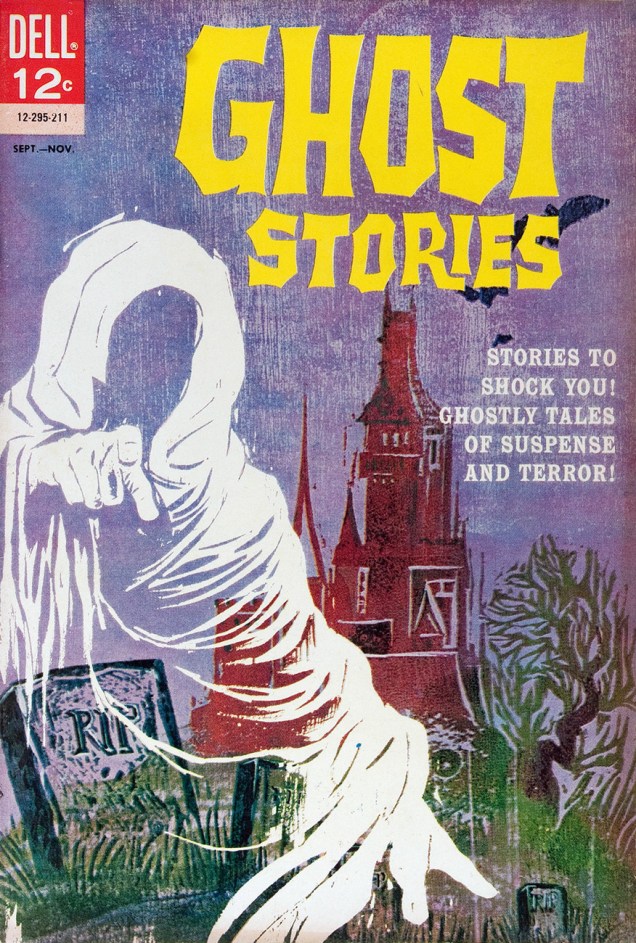
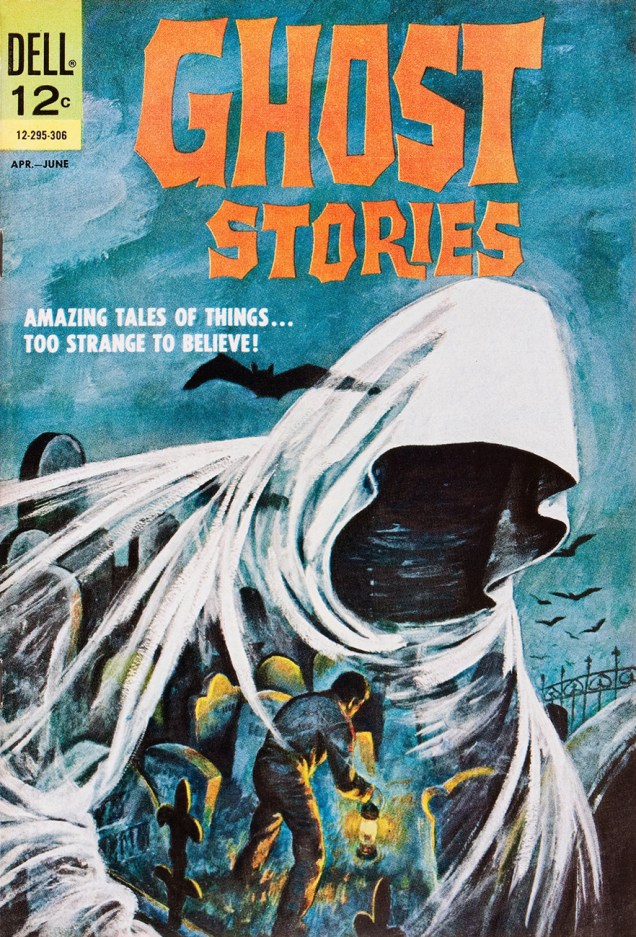
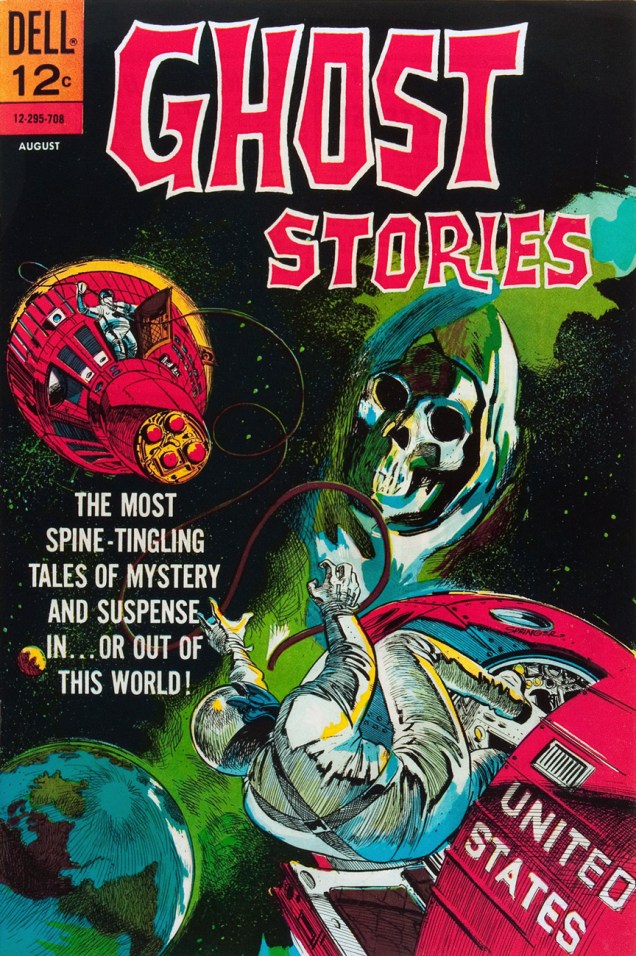
Dell’s Ghost Stories (1962-1973, with issues 21 to 37 lazily and straight-up reprinting numbers 1 to 16… with a single, perplexing exception, the all-new, surprisingly decent issue 35, late in 1972) were quite tame, trifling stuff, with one notorious bright spot: the première issue, entirely written by John Stanley (1914-1993) and comprising, amidst other excellent short pieces, what’s possibly the most nightmarish tale to see print up ’til then in American comics (particularly all-ages comics!), « The Monster of Dread End ». It represented the kind of material few comics publishers could have gotten away with at the time, save, ironically, one of the squeaky-clean stalwarts (Dell, Gilberton, Gold Key…) that opted out of the industry’s recently-instituted governing censorship board, the Comics Code Authority. Their reasoning was that, having never published anything objectionable to begin with, they were unlikely to head down that sordid path in the future.
Journeyman cartoonist Frank Springer (1929-2009) provided some decent artwork through most of the book’s run, but as he didn’t have much to work with, script-wise (Carl Memling was no substitute for Mr. Stanley), the end result remains underwhelming. Looking at the bright side, he did provide a couple of quite alluring covers, the final, non-painted entries in our select little gallery.
If you haven’t already made its acquaintance, treat yourself to the nerve-tingling Number One, available gratis under the auspices of the fine folks at comicbookplus.com. Love the semi-woodcut technique used on the cover by the Unknown Artiste.Ghost Stories no. 3 (April-June 1963). Cover artist unknown.Ghost Stories no. 10 (April-June 1965). Cover artist unknown.Ghost Stories no. 19 (August 1967). Cover and interiors by Frank Springer.Ghost Stories no. 31 (January 1972). Cover and interiors by Frank Springer, price and indicia aside, a facsimile of issue 11 (July-September 1965). My own tepid introduction to the series.
So far, we’ve leaned heavily in the direction of the aggressive octopus, the hoggish, ill-mannered brute who grabs people without so much as a how-do-you-do. Even when the multi-tentacled beast has self-defence as an excuse, the gory results are often not for the weak-hearted. Yet, like any complex creature, it has many personality facets; let’s have a look at the friendly cephalopod, the octopus-next-door type, the one who’s willing to let you use its tentacles in lieu of swings and lend a feeler’d arm with your fishing.
In 1946, Belda Records came up with the concept of a “komic book & plastic record”. The series was called Talking Komics, promising (and delivering!) kids a “record-music-story-comic book” experience. There were 8 characters, one per book-cum-record, in all. Our friend the Lonesome Octopus is one, although he seems to be doing all right socially. The other 7 are Grumpy Shark, Happy Grasshopper, Chirpy Cricket, Flying Turtle, Blind Mouse, and in a slightly different vein, Enchanted Toymaker and Sleepy Santa.
The records were written & produced by Bob Bellem and narrated by Marvin Miller (a well-known voice actor – to name a few well-known shows, he was Robby the Robot in Forbidden Planet and in The Pink Panther Show he voiced the Inspector, Deux-Deux and the Commissioner), the music was composed & conducted by Frank Hubbel, and the comic was illustrated by Mel Millar, who may or not be Marvin’s brother. Cartoons were created for at least some of the records/comics (so it’s more like “record-music-story-comic-book-animation”) – some of them used to be findable on Youtube some time ago, but the years seem to have swept everything away.
Another octopus who kindly consented to let his tentacles be used as swings. He apparently sings, too!
Mutt and Jeff is a newspaper strip created by Bud Fisher in 1907, generally believed to be the first daily comic strip (or at least the first really successful one). It featured Augustus Mutt (the tall fellow swinging on the right tentacle), greedy and highly inventive (if not downright insane) with his parade of get-rich-quick schemes, and bald Jeff, his reluctant sidekick, whose sideburns would surely get him accepted as a hipster in these modern times. Go here to read an enthusiastic article about this cultural phenomenon, and here to read some comics.
Little boys who over-work an octopus are going to end up as his dinner, I say. Still, for the time being, here’s a sweet scene of inter-species coöperation.
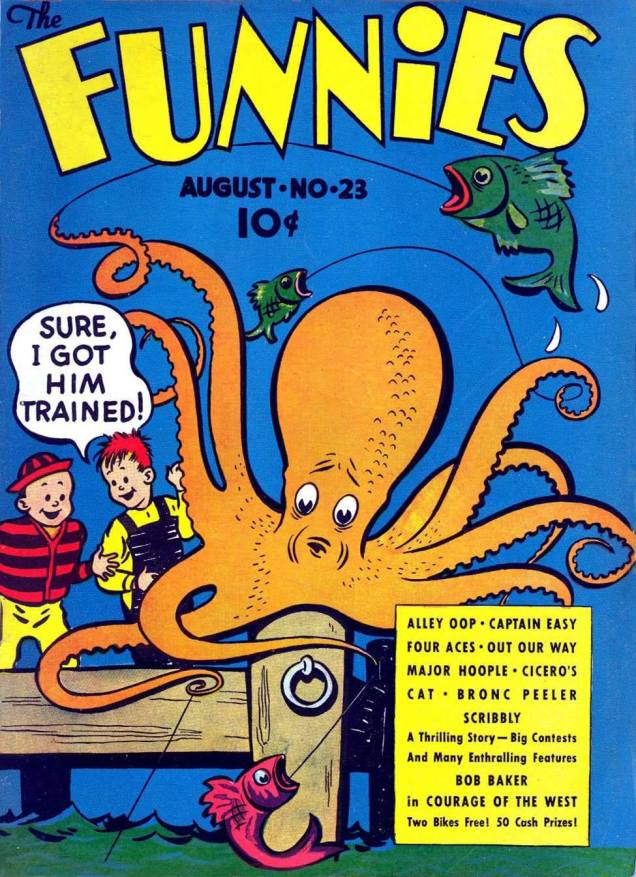
I sure hope that this octopus gets his share of fish at the end of the day! Also, wouldn’t it be more efficient to just grab the fish directly with tentacles instead of using man-made contraptions like fishing lines? This is The Funnies no. 23 (Dell, August 1938). Does anybody know the artist?
‘Orrible Orvie and Awful Annie will help us wrap up this Tentacle Tuesday. This octopus isn’t assisting the kids directly, but the kind smile on his, err, face radiates benevolence (well, not to the fishes, but one has to feed on *something*, right?)
This is The Little Monsters no. 41, 1977 – only three issues away from the series’ end (it ran from 1964 to 1978 for a total of 44 issues, plus a giveaway issue of March of Comics). Artist unknown.
I’d like to bring to your attention that on March 22nd, 1914, more than a hundred years ago, John Stanley, American cartoonist and comic book writer extraordinaire, was brought into this world. He died in 1993 at age 79, but he left an undeniable mark on this world. (At least I hope it’s an indelible one.)
I won’t talk about his artistic parcours, as people far more erudite than I have already done it. For an enjoyable gallop through Stanley’s multi-faceted and staggeringly productive career, head over to the Comics Journal and read an excellent article by Frank Young. Want to read some stories (and have a few hours, if not days, to spare?) Visit Stanley Stories, a truly impressive blog by the same Frank Young, who scanned tons of comics and perceptively analyzed them for our great enjoyment.
Me, I’m just an devotee who likes to curl up and read his comics. I’ll share some images. The art is by John Stanley, unless otherwise specified.
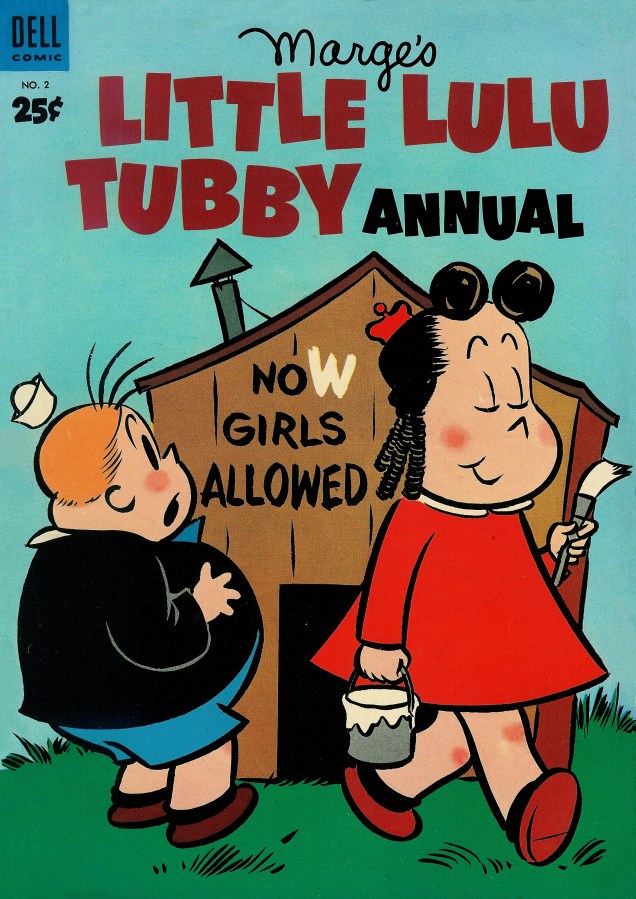
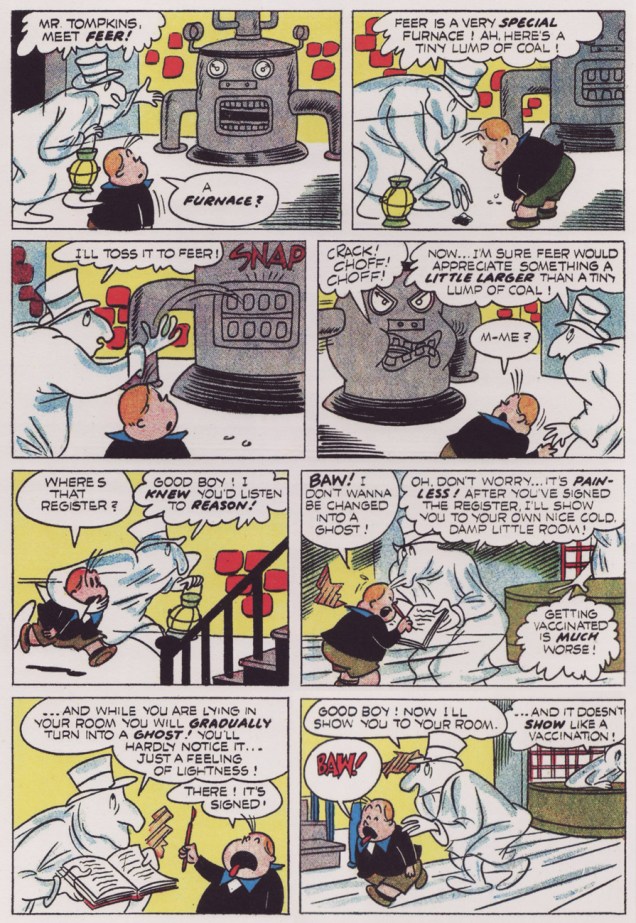
Marge’s Little Lulu no. 10 (April 1949). I recommend « John Stanley: Giving Life to Little Lulu » by Bill Schelly, published in Fantagraphics in 2017, which pieces together Stanley’s transformation of Little Lulu into the beloved, iconic figure she is today. I’ve never felt the need to have female characters to relate to, yet Lulu’s a great role-model for mischievous little girls who can pitch a mean snowball as well as any boy!Marge’s Little Lulu Tubby Annual no. 2, March 1954. Cover by Irving Tripp from a layout by Stanley. Tubby’s series is an offshoot of Lulu’s.Page 8 from « Guest in the Ghost Hotel », from Tubby no. 7 (January-March 1954). Looking for ghosts, ghouls and monsters? Look no further than Stanley comics.John Stanley took a stab at Krazy Kat stories when Dell revived the comic in 1951. Krazy Kat Comics lasted for 5 issues (presumably poor sales doomed it), all published in the same year. This is Krazy Kat no. 1, 1951.How do Beatniks while away the hours? They compose nonsensical poetry, noodle it out… and dig girls, of course. Kookie was John Stanley’s creation; the series was written and laid out by him. Unfortunately, it was very short-lived, running for a grand total of 2 issues. This is Kookie no. 1, February-April 1962. The handsome painted cover is by Bill Williams from a layout by Stanley. You can read the issue here.Dunc And Loo no. 6, April-June 1963. Cover by Bill Williams from a layout by Stanley.Lou (of Dunc & Lou) was apparently destined to be a newspaper strip, but never made it.Melvin Monster no. 2, July-September 1965.O.G. Whiz no. 1, February 1971.An inside page of O.G. Whiz, with very typical madcap Stanley action.It’s not all fun, though: « The Monster of Dread End », written by John Stanley for Ghost Stories no. 1 (Dell, September-November 1962), is genuinely scary. Art by Ed Robbins.
And I haven’t even mentioned Stanley’s Nancy, nor her friend (and my favourite character) Oona Goosepimple. Next time… pick yourself up a copy of Drawn & Quarterly’s Nancy: The John Stanley Library, and happy reading!
« It’s kind of like a spider web, only sweeter, and also it’s more pink »
Today would have been the 91st birthday of the great Jack Mendelsohn (1926-2017), who passed away last January, leaving behind a life well-lived and a sumptuous, if often unsung or anonymous, legacy.
Yet Mendelsohn will be no stranger to those accustomed to reading the small print and staying for the credits crawl: he co-wrote Yellow Submarine (the film, and got credit for it, unlike Donovan for the song), episodes of Laugh-In, The Carol Burnett Show, then decades of soul-killing animation scripting, not to mention, er… Three’s Company.
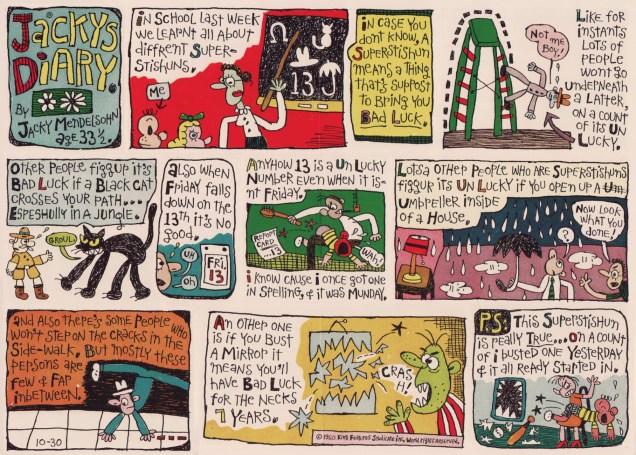
Ah, but today we salute him for his greatest triumph, though probably not the one his fans brought up when they met him*: the short-lived Sunday-only King Features comic strip Jackys Diary** (1959-61). In 1960, Dell Comics (were good comics, so they said) in a fit of mad inspiration, issued a one-shot (Four Color 1091, April-June 1960) drawing from the strip’s run… a flashback to the early practices of the comic book industry, when its product consisted of repackaged comic strip reprints.
Jackys Diary, October 30, 1960.
For a more comprehensive sample, hunt down the comic book, or Dan Nadel’s excellent Art Out of Time (2006, Abrams), which may just turn you on to further neglected but worthy visions. Or get thee hence swiftly to Sam Henderson‘s wonderful blog, The Magic Whistle. Sam saved me a lot of work (and stole my thunder) by graciously providing top-quality scans of the entire Dell comic book.
Then, if you’re good and hooked, you’ll be chuffed to hear that a complete collection of the strip’s run was miraculously assembled and published a few years ago, and finer than even the most fervent optimist could have envisioned. Once again, international treasures Craig Yoe & Clizia Gussoni and their crack production team have delivered a dream.
Produced with utmost attention to detail, as well as the full and clearly enthusiastic coöperation of the auteur himself, this handsome tome boasts, in addition to the full complement of excellently-reproduced strips, a fascinating and richly-illustrated retrospective article by Mendelsohn and a fondly witty foreword and backword by colleagues and accomplices Mort Walker (then 90 1/2) and Mell Lazarus (then 86 1/2). As they say, get yours now!
Jackys Diary, August 6, 1961.
*On that very topic, from his interview with John Province, published in Hogan’s Alley no. 10 (2002): « What fans? I have no fans! Why do you think I’m clinging to you? »
**that’s how it was intentionally spelled, for effect. Unlike spelling nowadays…



























 Who's Out There?