‘It’s not that big of a deal’: Quino

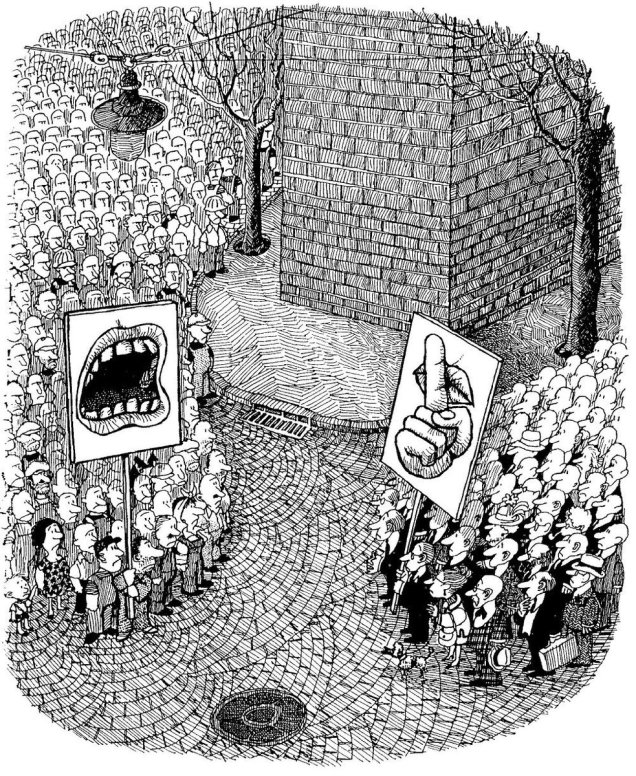
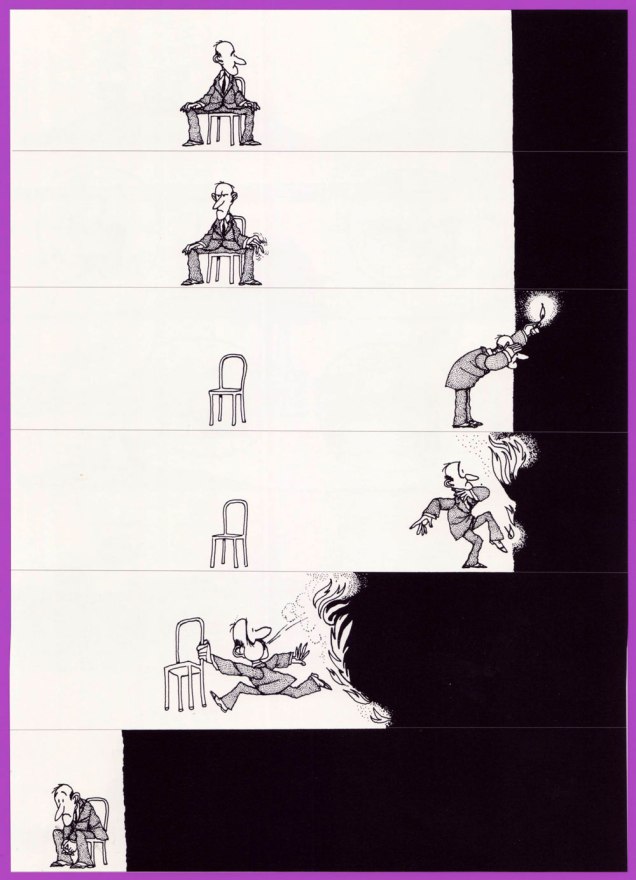
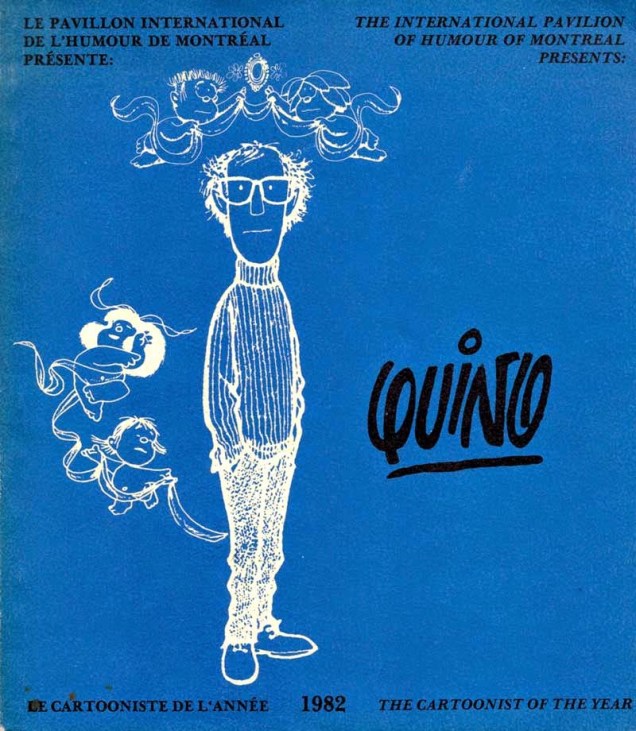
In the early days of WOT, before I got used to the blog format (as opposed to posting-on-Facebook format), sometimes my posts only contained a few images. Idly looking through my library the other day, I concluded that it’s a pity Argentine cartoonist Quino is only represented by three selections from a collection specifically about food (the aforementioned post — from 2017, what children we were then! –is (27178) Quino*).

Joaquín Salvador Lavado Tejón was alive in 2017, but now he is dead. He died in 2020 in Argentina, having returned to his place of birth after a long exile, after the National Reorganization Process was dismantled and democracy restored, in 1983. He did not live to see the election of bedlamite right-wing Javier Milei in 2023, which is probably just as well.

This is definitely not the place for provocative political discussions, but how offensive can a few smooth ink lines on paper be? Interpret the following as you will.
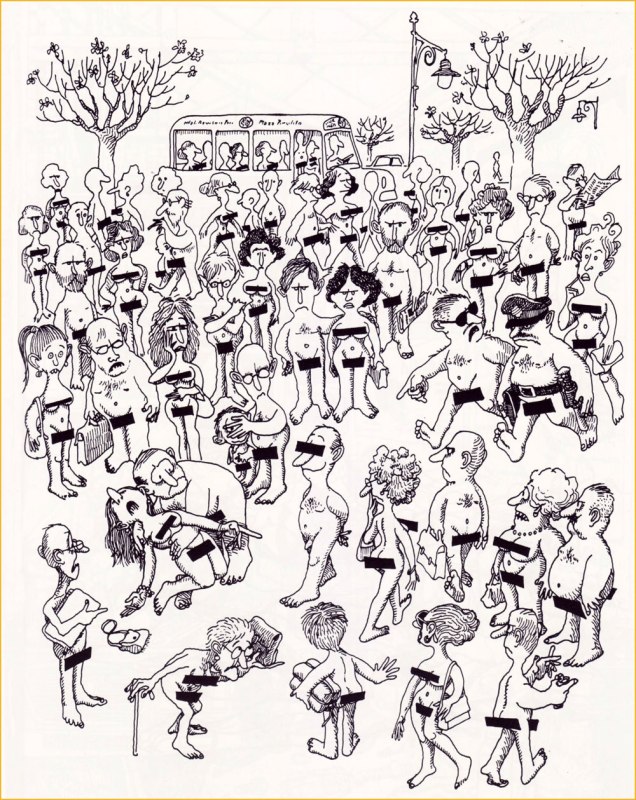
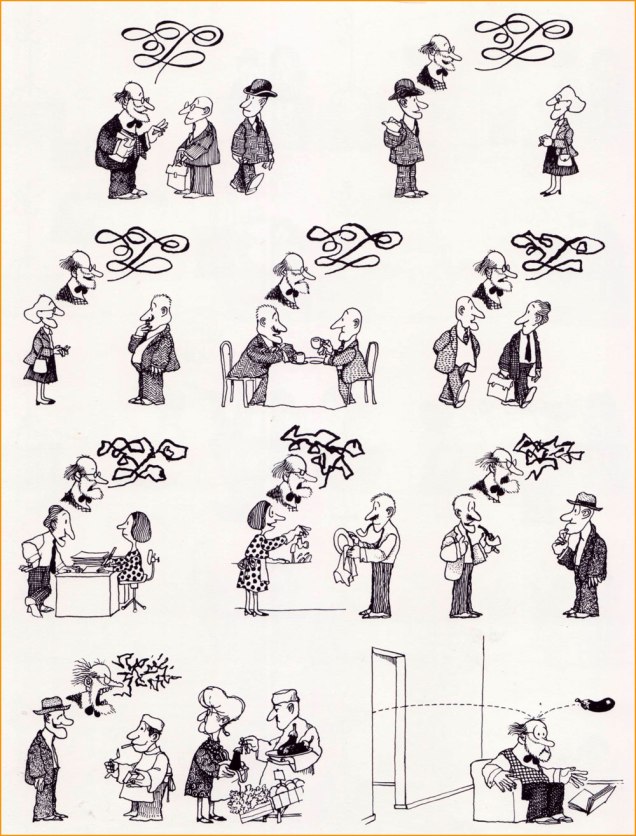
For a fervently written eulogy, head over to TCJ: QUINO: 1932 – 2020

« “Violence is everywhere,” stated Quino, in Pergolini’s 2014 interview. He was talking about ants. The ants he used to watch and move around in his childhood home. His cartooning, adored even by his always-quoted Umberto Eco, feels like an echo of that idea: Violence is everywhere. But, at least in his work, genius is also everywhere, as well as his heartfelt indignation, fueling one of the brightest of 20th-century takes on humanity. »

~ ds

P.S. While looking up stuff for this post, I stumbled across a « Quino AI Art Style Inspiration » (which has very little to do with Quino’s style or raison d’être). No comment needed.
A Samm Schwartz Double-Header!

« If you saw a heat wave, would you wave back? » — Stephen Wright

Time to carry on with one of my pet quixotic missions, that of advocating the glory of Samm Schwartz (1920-1997), my very favourite Archie artist… and one of my favourite cartoonists, period.

Having acquired over the years most of the Jughead issues I could afford — for the most part cheap, but thankfully numerous — I’ve now reached the stage of acquiring scattered issues of assorted Archie titles featuring one or two Schwartz stories… along with often appalling page fillers by painfully lesser lights. To lessen the blow, I usually skip the Schwartz story — which usually opens the book… savvy thinking on their part, I’ll admit — then return to it so as to end on a high note.

I was hesitating between two stories, but since they’re both quite short, why choose? Hence the programme double.

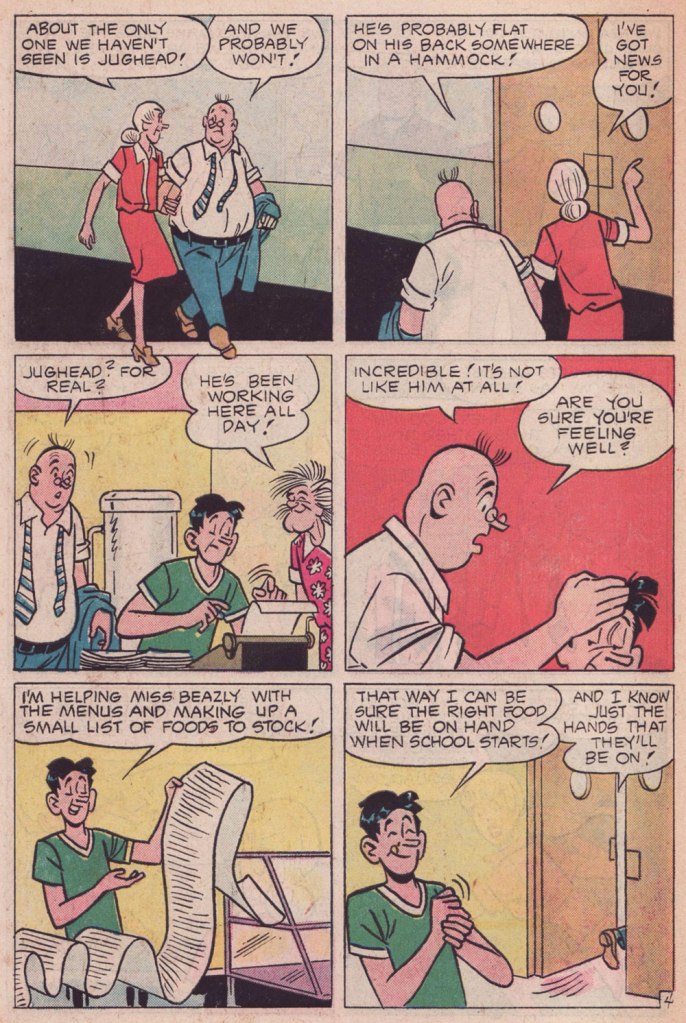
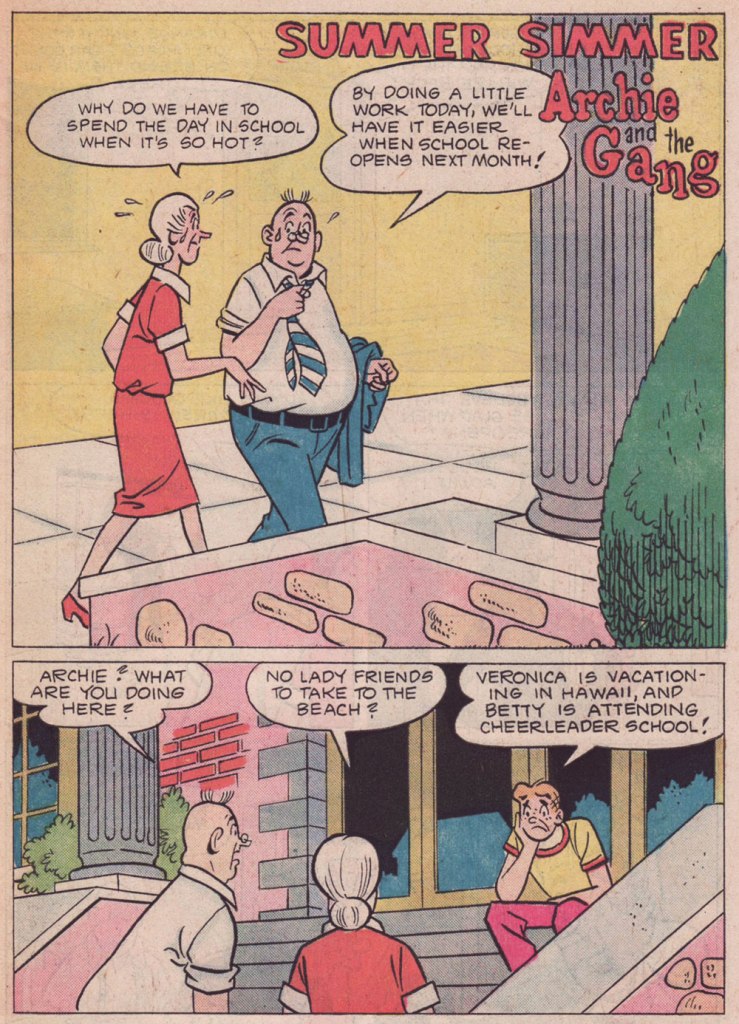
« Summer Simmer » first appeared in Archie’s TV Laugh-Out no. 35 (Nov. 1975, Archie). Scripted by George Gladir, this story has the distinction of not particularly striving to be funny, instead focusing on character and situation.. which is totally distinct from the all-too-frequent straining for laughs and failing Archie blueprint. This sort of outlier is what makes the search worth the bother.

« The Defender » originally saw print in Pep no. 235 (Nov. 1969, Archie). Not only does Marmaduke “Moose” Mason get a rare turn in the spotlight, but it’s an unusually favourable depiction. It was most likely scripted by Frank Doyle.

It must be mentioned that Schwartz often tweaked the scripts he was assigned, but incognito. His collaborators trusted him, giving him free rein. Besides, let’s face it, the stakes were depressingly low.

-RG

Marge’s Feisty Little Lulu

« You can bring Pearl, she’s a darn nice girl,
But don’t bring Lulu!
You can bring Rose with the turned-up nose,
But don’t bring Lulu!
She’s the kind of smarty

who breaks up every party,
Hullabaloo loo, don’t bring Lulu,
I’ll bring her myself!
»

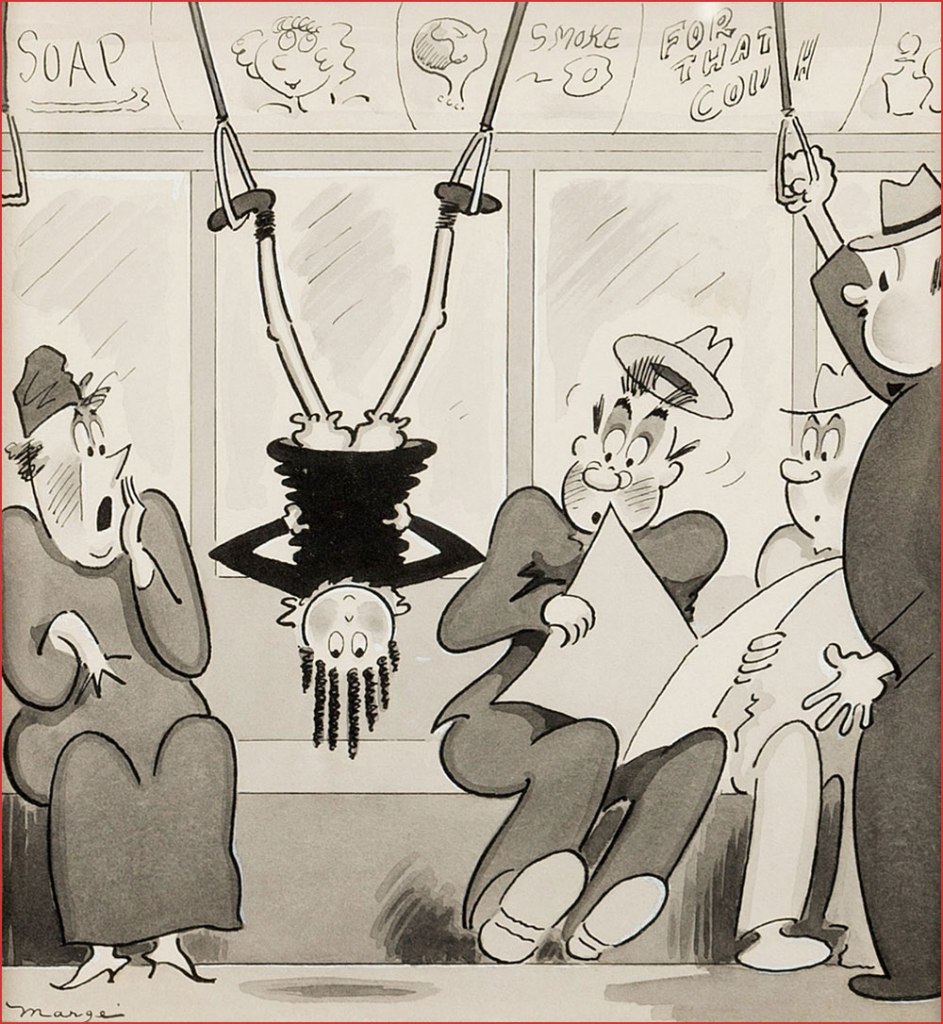
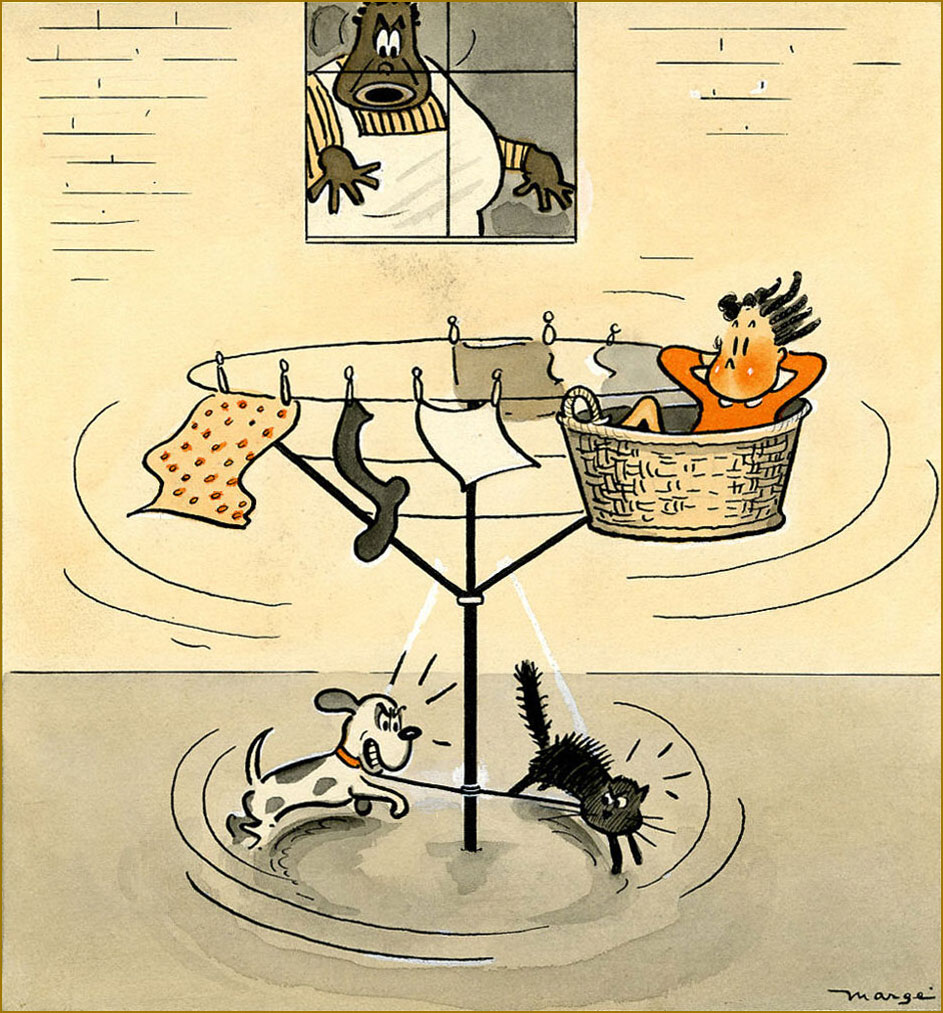
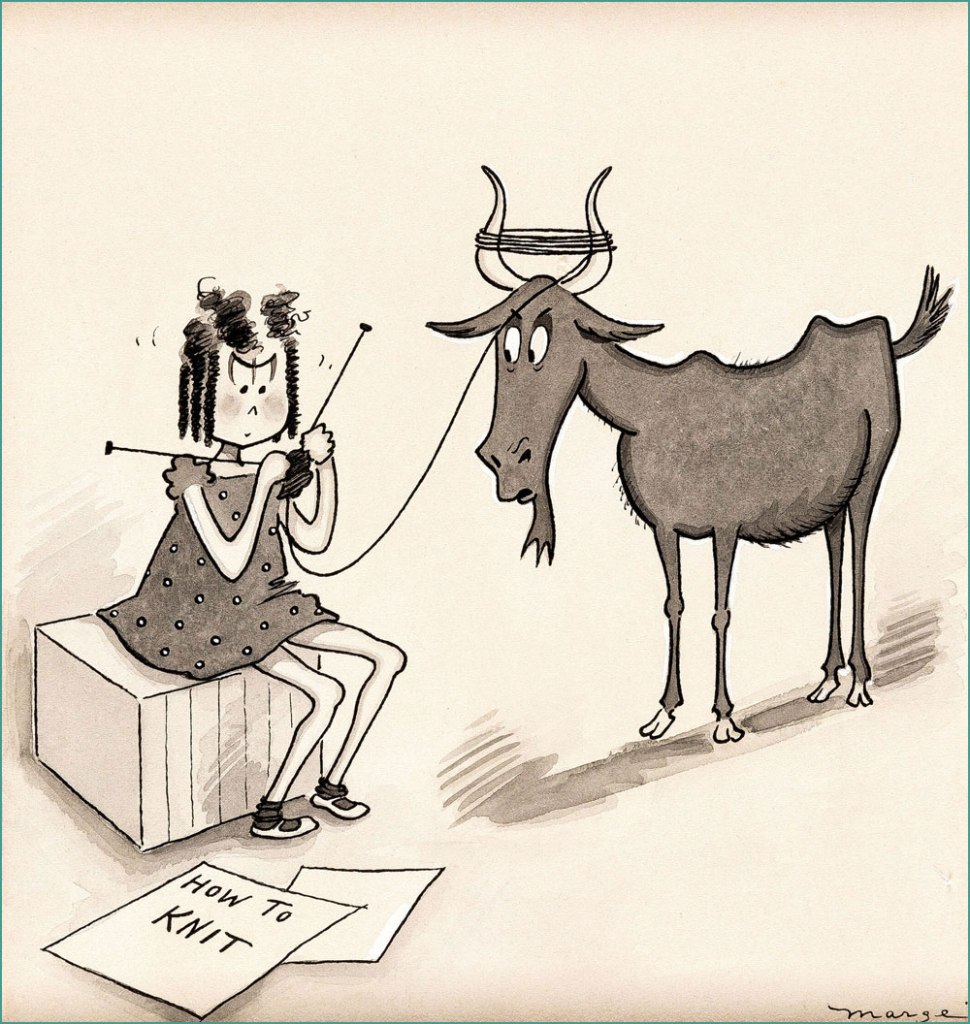
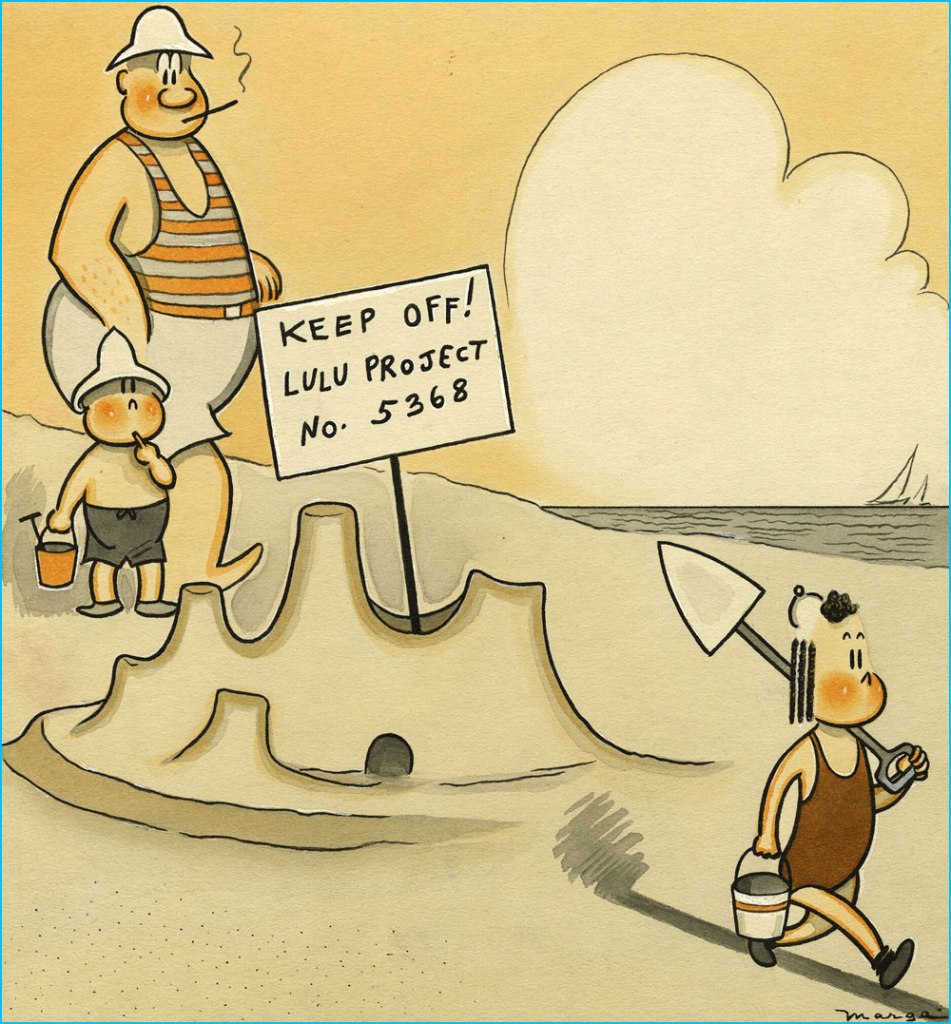
À propos of the comic strip Little Lulu (running from 1935 to 1944 in The Saturday Evening Post), co-admin RG indicated in his Hallowe’en Countdown V, Day 30 that he ‘just happens to dislike Lulu creator Marjorie ‘Marge’ Henderson Buell‘s visual conception of her characters‘. Entirely fair enough, but I happen to appreciate Little Lulu for her unremitting dedication to horsing around (and Buell for her subtle use of watercolours).

Going through a bunch of strips in search of ones to feature here confirmed my previous impression that Lulu can be quite the brat, à la Dennis The Menace. It can be argued that all kids have the capacity to be destructive with a considerable amount of enthusiasm, though from my current adult perspective, destroying plants (something Lulu seems to do a fair bit of) is an idiotic act, whoever one is trying to piss off. While sharing a doigté for outfoxing (and occasionally literally thwacking) boys, Lulu was wilder and meaner than Bushmiller’s Nancy, the latter tending to be a helpful, earnest kid despite her share of shenanigans. You won’t really notice this from this post, as I distinctly prefer sweet over abrasive.

From a modern perspective one would be tempted to lump Lulu in with other feminist cartoon icons, given that Buell clearly enjoyed depicting her independent streak. John Harvith (involved in a retrospective of Buell’s work in 1982) is quoted as saying ‘[Lulu] was a pioneer in presenting a girl cartoon character who was resourceful, courageous and who regularly beat out the boys‘. As to her creator, Buell is credited as ‘the first female cartoonist in the United States to achieve worldwide success‘ (source: Little Lulu comes to Harvard). *

While she is cited as resisting the ‘feminist’ label when it came to her work, I think it was more out of a dislike for pigeonholing her material. ‘Marge [did not] welcome the idea of introducing feminist themes into the cartoon. She preferred to let the character’s actions speak for themselves. She created this feisty little girl character who held her own against the guys and frequently outwitted them, but she didn’t want to turn the cartoon into a message. She agreed with Samuel Goldwyn’s slogan, ‘If you want to send a message, try Western Union.'”

In her personal life, Buell demonstrated an enviable degree of wisdom in her marriage to ensure that both their careers would progress without breaking the family apart (her husband agreed to turn down promotions that would force them to relocate, and she agreed to keep Lulu in check in order to spend time with her children).

If you need another reason to like Little Lulu, The Little Lulu Show, running from 1995 to 1999, featured the voice of Tracey Ullman as the protagonist during the first season.

~ ds

* These days it’s mostly John Stanley’s Little Lulu that grabs the affection spotlight in people’s memories.