Cards on the table time: I never did much like Tintin. While there’s no denying the technical virtuosity and high imagination on display in Hergé’s work*, as a child, his overly-meticulous line and storytelling struck me as flat, sterile and remote. I thought I was just about alone in this view.
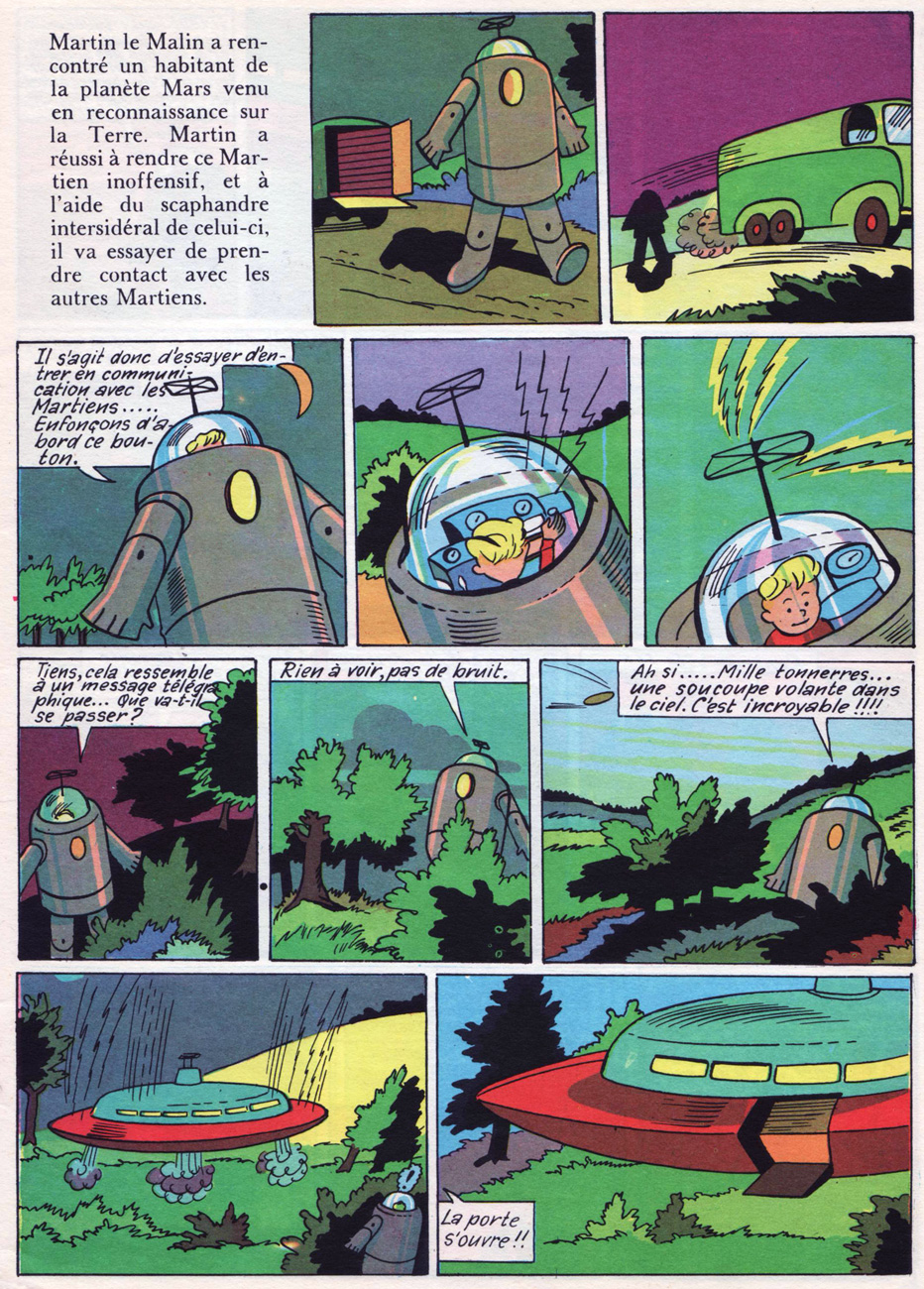
There was a Tintin-esque series I did delight in, and that was Martin le Malin, a translation of the Dutch « De Avonturen van Pinkie Pienter ». While much derided and nearly forgotten today, Pinkie remains, in my view, a misunderstood and under-appreciated work.
I was to learn, decades later, that the series was in fact created in response to the very aspects of Tintin that left me cold. In 1951, Dutch painter J.H. Koeleman (born October 30, 1926), while visiting his brother, learned from his young nephews that they were somewhat frustrated with and repelled by Tintin, finding the stories too complicated and the artwork too fastidious. From this incident, Uncle J.H. hit upon the idea of creating a series using a deliberately naïve and relatively primitive style, something closer in tone and essence to what a talented and imaginative child would craft for himself.
Koeleman produced and self-published a pair of albums, which were met with critical praise but disappointing sales. However, in early 1953, established publisher Mulder & Zoon came knocking and offered the man a deal: they would, using the greater resources at their disposal, republish and distribute his early efforts. The joint venture worked splendidly… at least for a time. In total, Koeleman wrote and drew twelve Pinkie Pienter albums between 1953 and 1958. These were also published in softcover 16-page colour instalments, which is the format I encountered them in. In my youth, they were everywhere: (long gone) supermarkets, department stores… and at 39 cents apiece, they offered a fine deal.
However, during Expo 58 (aka the Brussels World’s Fair), long-simmering tensions came to a head between the author and his publisher. Koeleman walked out, and the less said about his successors, the better. For it is in the later Martin le Malin albums that we can plainly witness the difference between intentional simplicity and economy… and sheer incompetence.
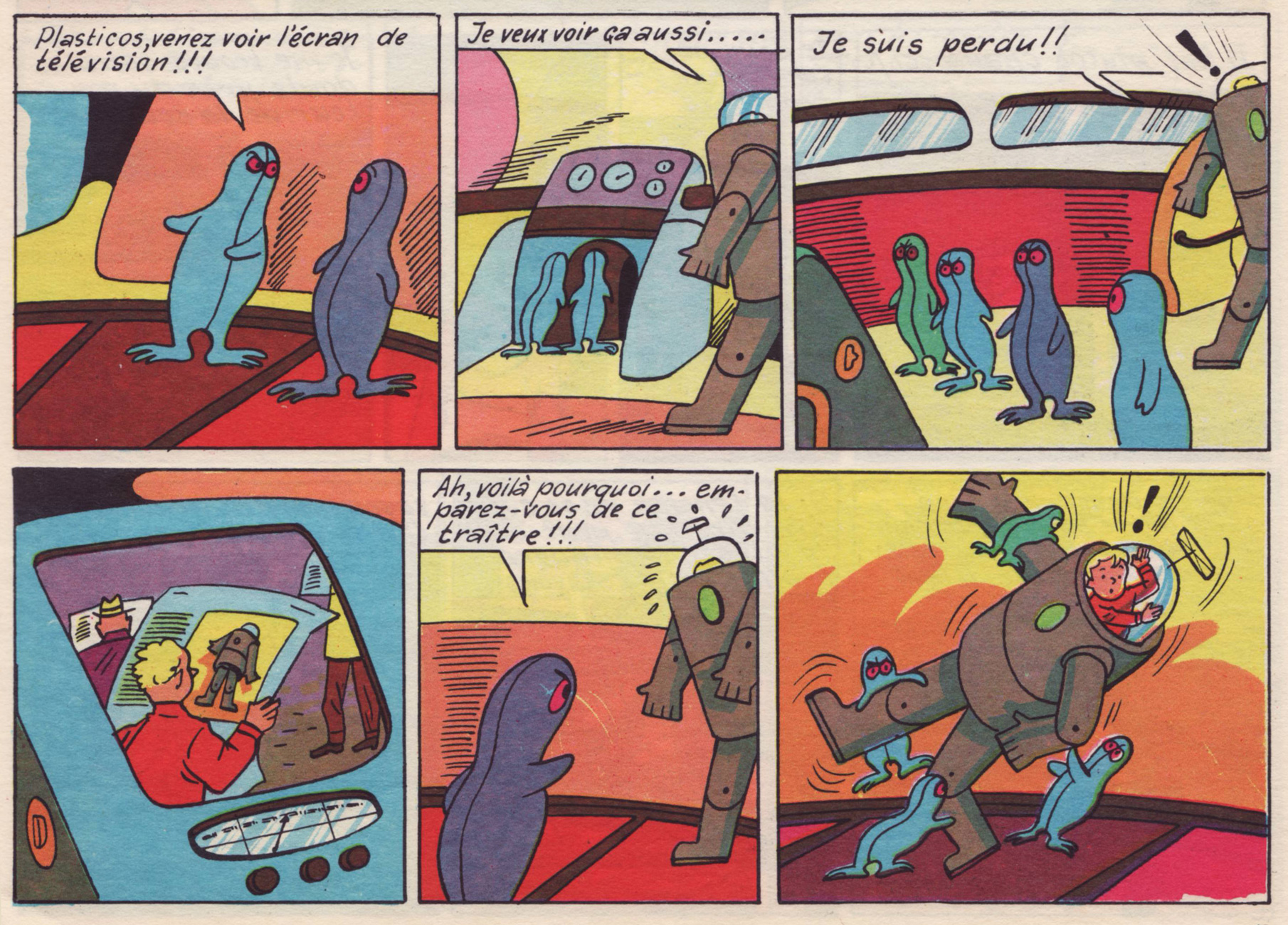
Today, I’ll focus on my favourite saga, « Les Martiens atterrissent » (Number 6 in the series, and serialized in « La soucoupe volante », « D’étranges visiteurs de l’espace » and « L’attaque des Martiens »).
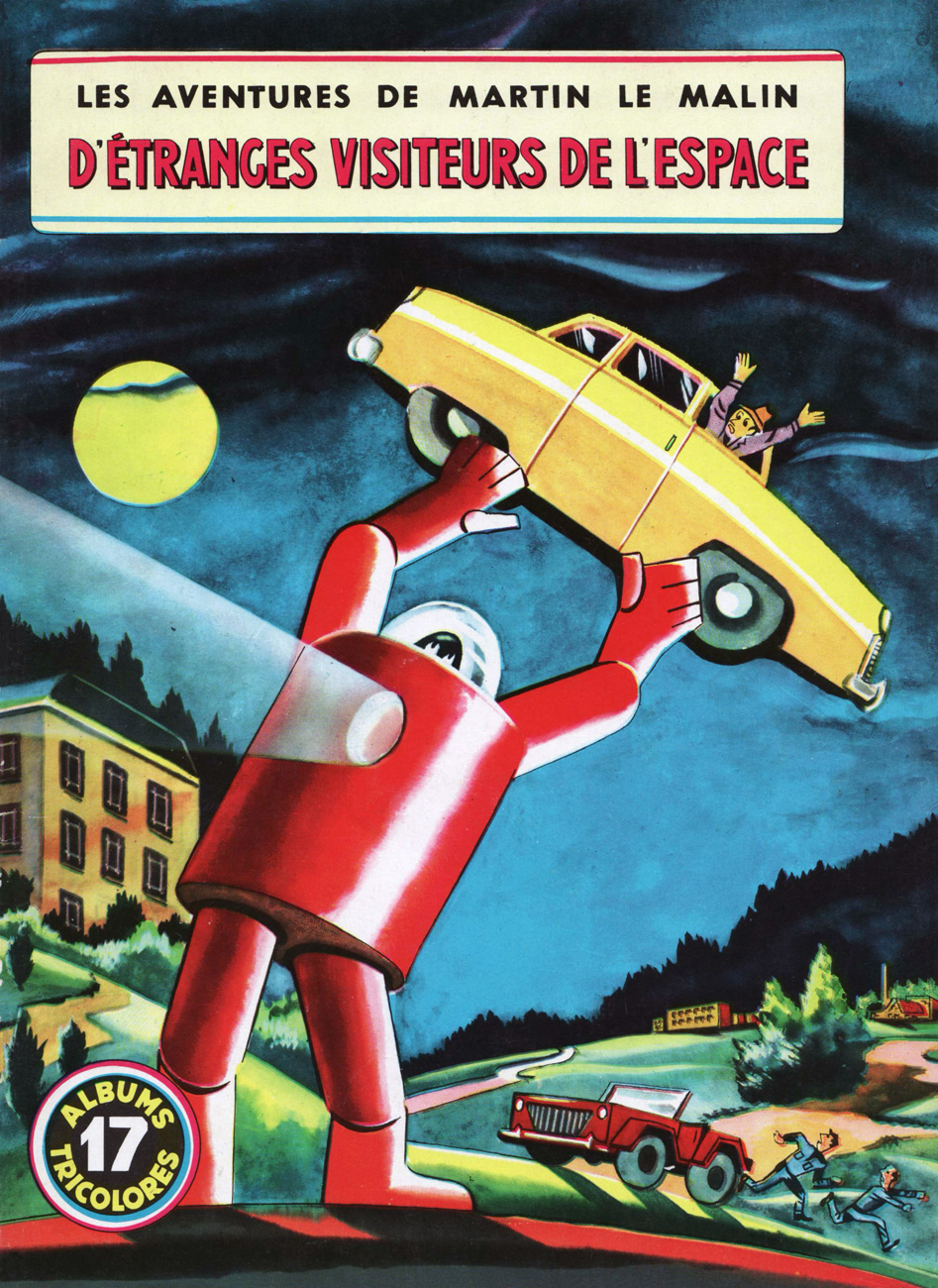
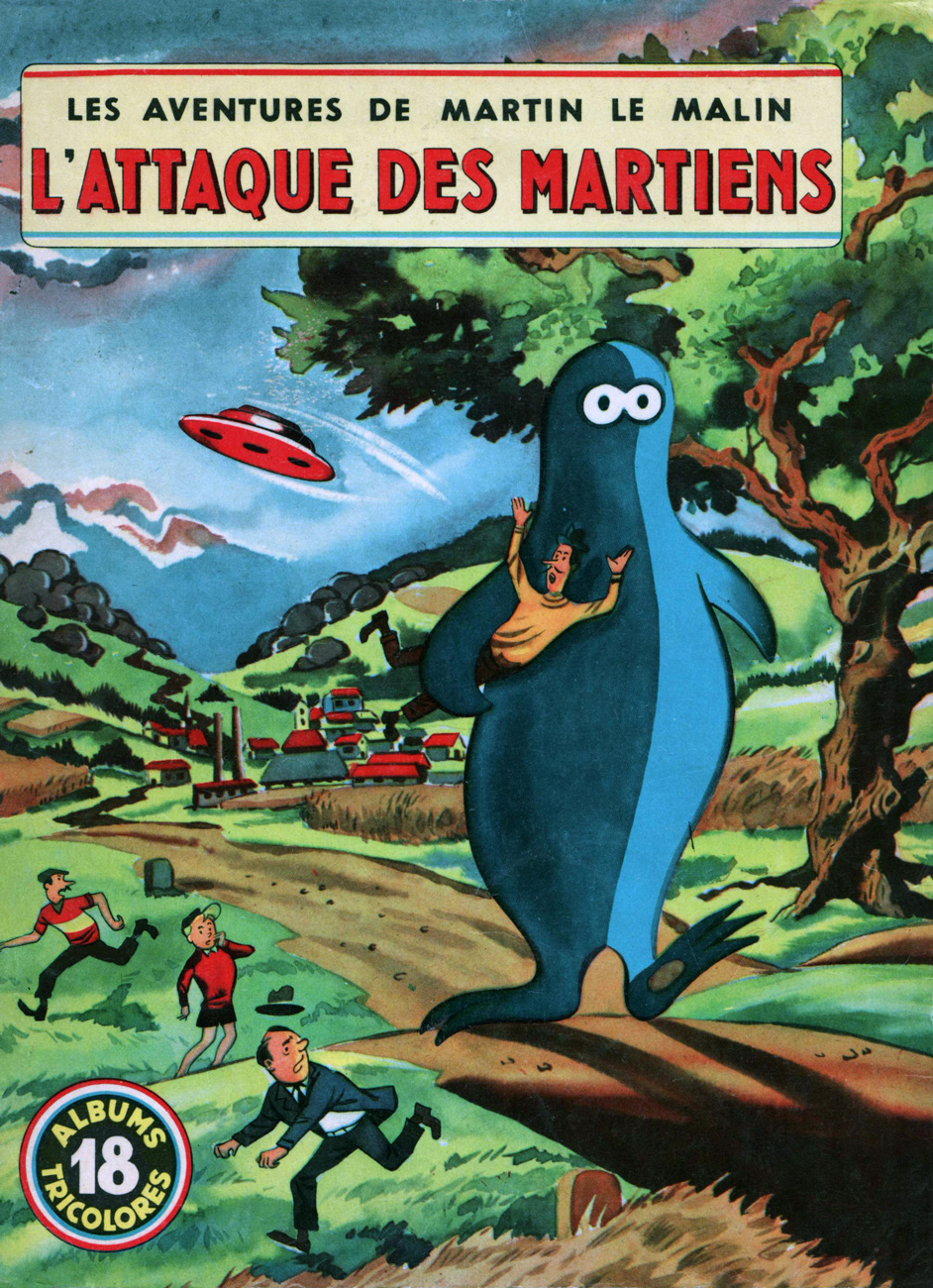
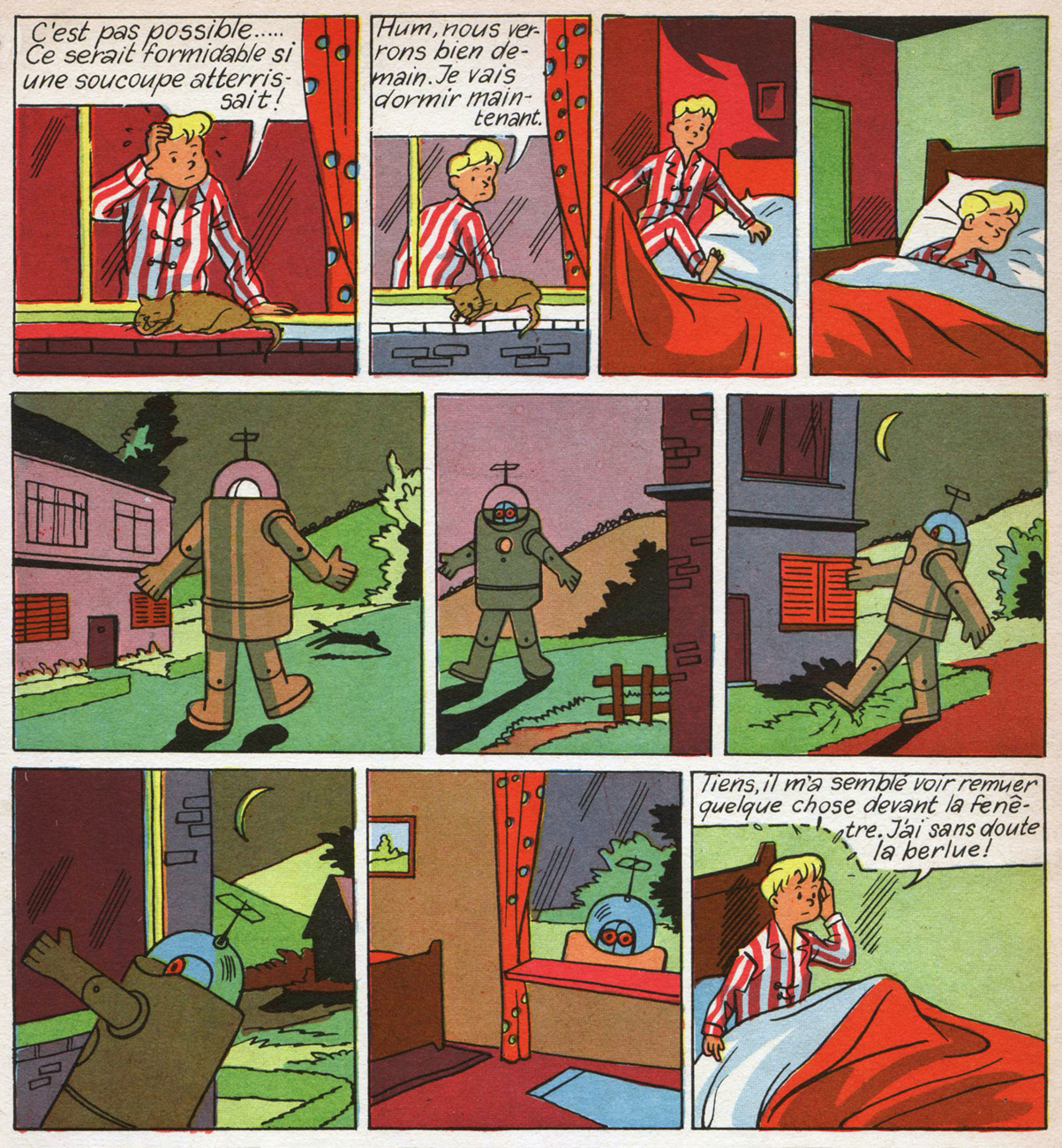
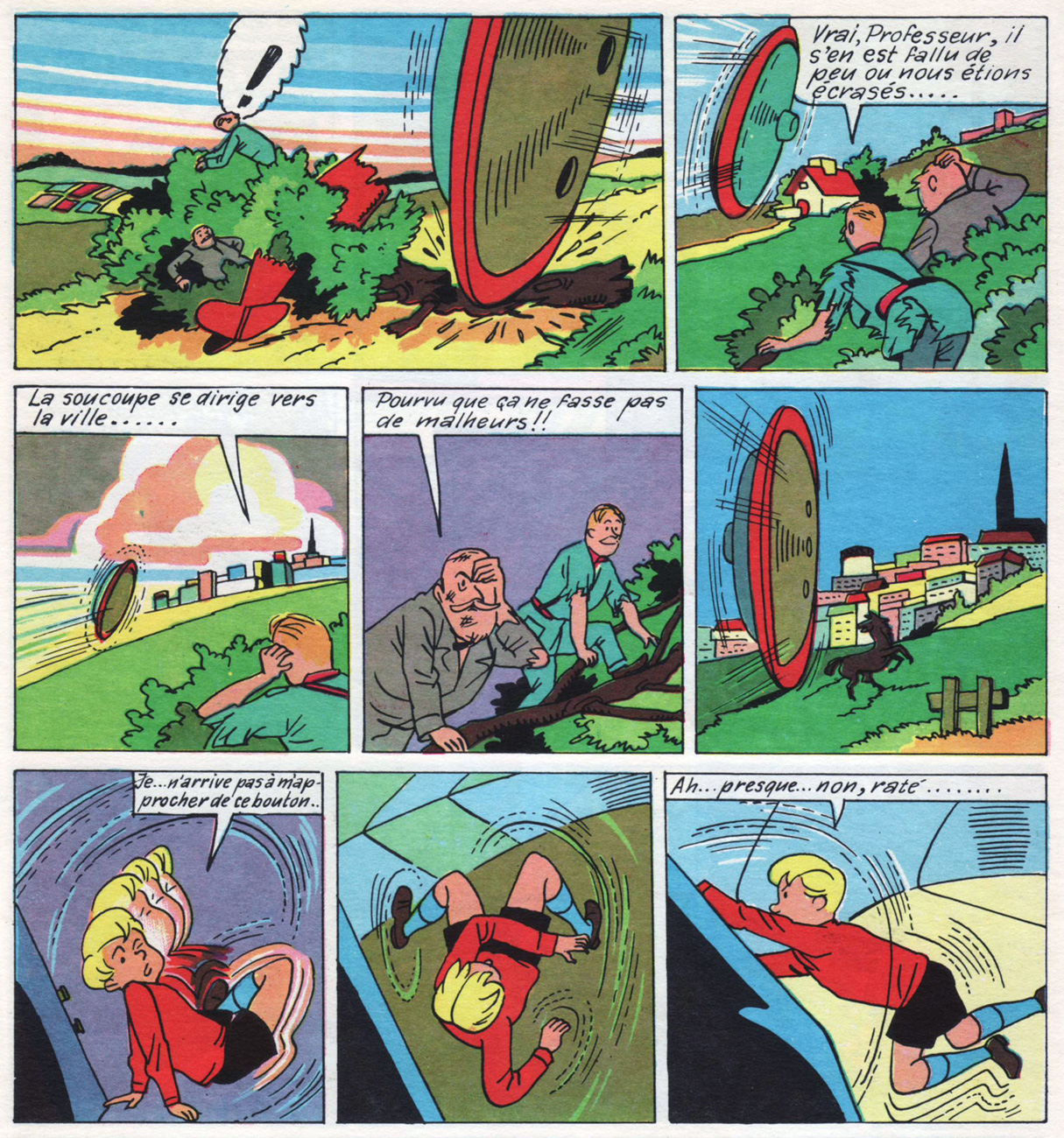
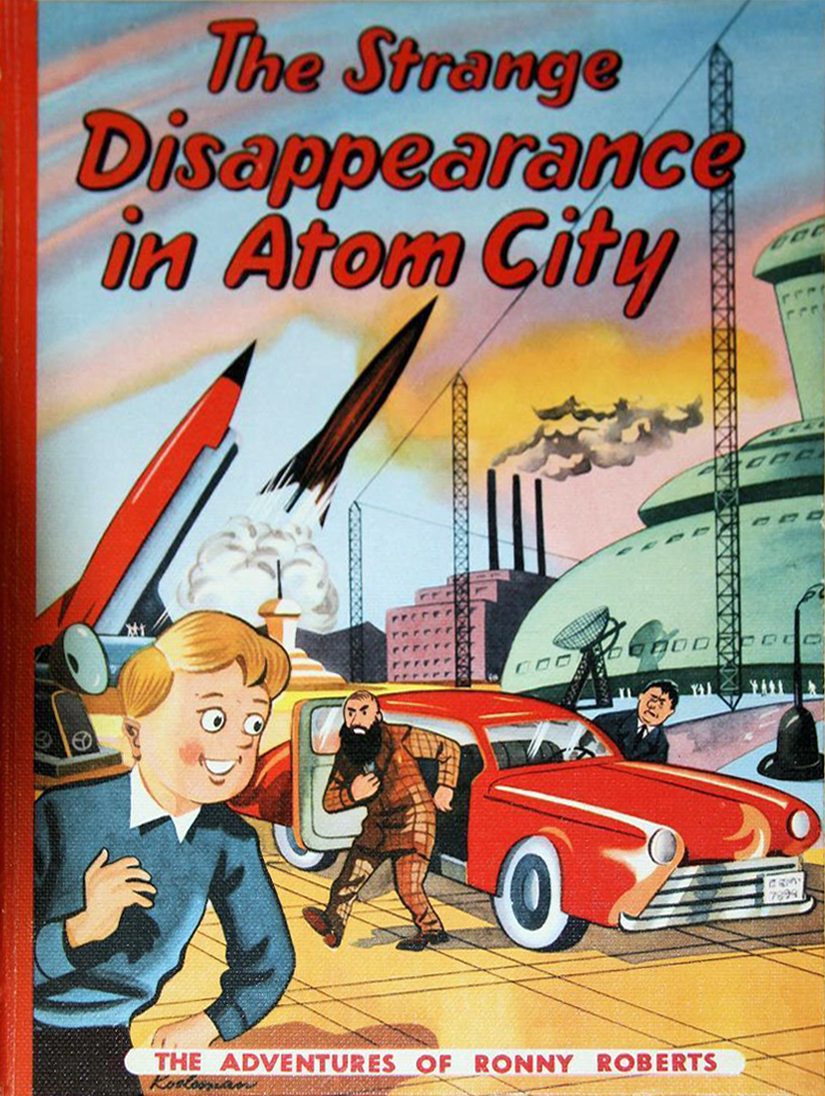
I only learned today, while researching this post, that Pinkie/Martin was also published in English! Is anyone familiar with this edition?

*I am, however, quite fond of Hergé’s early series (that he considered minor works) « Les exploits de Quick et Flupke » (1930-40) and « Les aventures de Jo, Zette et Jocko » (1936-40).
-RG















 ~ ds
~ ds







 Who's Out There?